


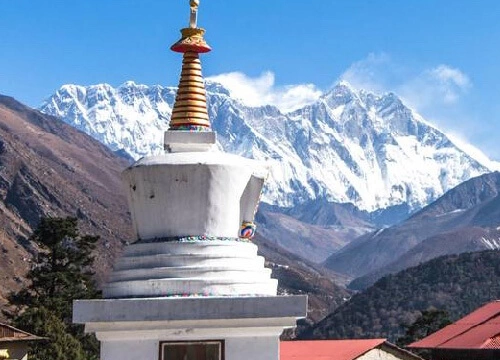
The dream of trekking to Everest Base Camp (EBC) is shared by adventurers from all over the world. Standing at the foot of Mount Everest, surrounded by soaring Himalayan giants, is one of the most rewarding experiences a traveler can have. But many people assume this iconic journey requires a large budget. In reality, Everest Base Camp budget treks make this dream accessible to students, backpackers, and cost-conscious adventurers who want to explore the Himalayas without breaking the bank. With smart planning, local accommodations, and a balanced itinerary, it is entirely possible to complete the trek affordably while still enjoying breathtaking landscapes and meaningful cultural encounters.
Why Consider a Budget Trek to Everest Base Camp?
Budget treks are designed for travelers who want to experience the full beauty of the Everest region at a reasonable cost. The route, scenery, and major highlights remain exactly the same as standard or luxury treks. The difference lies in minimizing additional expenses, choosing economical lodges, eating simple meals, and using shared or local services.
A budget trek still provides:
- Safe and comfortable trekking
- Local teahouse accommodation
- Professional guides (optional but recommended)
- Incredible views of Everest, Ama Dablam, Lhotse, and Nuptse
- A rich cultural experience in Sherpa villages
What you sacrifice in luxury amenities, you gain in authenticity and affordability.
Planning Everest Base Camp Budget Treks Wisely
Budget trekking is all about making smart choices. With the right planning, travelers can significantly reduce costs without compromising safety or enjoyment.
1. Stay in Local Teahouses
Teahouse trekking is the heart of every budget route. These family-run inns provide clean, basic rooms, dining areas, and warm hospitality. Staying in teahouses not only saves money but also supports local communities and offers a more genuine connection with Sherpa culture.
2. Choose the Right Season
The most popular trekking seasons—spring (March to May) and autumn (September to November)—tend to have slightly higher prices due to demand. Budget travelers can look at shoulder seasons such as:
- Late February
- Early June
- Late November
These times offer lower costs for accommodation and flights while still providing reasonably good trekking conditions.
3. Trek in Small Groups or Join a Budget Tour
Small-group treks help reduce costs per person for guides and porters. Some budget trekkers also join group departures organized by local trekking companies to save on shared services.
4. Keep Meals Simple and Local
Food prices increase with altitude, so choosing basic Nepali dishes—like dal bhat, vegetable noodles, or soups—helps control costs. Imported foods, soft drinks, snacks, and bottled water can quickly increase your expenses, so keeping your diet simple is a key budget strategy.
5. Book Early and Travel Smart
Flights to Lukla are one of the most significant expenses. Booking early or traveling in less busy months often results in better prices. Some adventurers choose to cut costs by taking a jeep from Kathmandu to Salleri and trekking several days to Lukla, though this adds time and effort.
What to Expect During an Everest Base Camp Budget Trek
While this trek is budget-friendly, it still includes all the iconic elements of the classic EBC route.
Lukla: The Thrilling Gateway
Your adventure begins with the dramatic flight into Lukla Airport, famous for its short runway and incredible mountain views. Budget trekkers typically begin walking immediately after arrival, passing through villages like Phakding on the first day.
Namche Bazaar: Sherpa Culture at Its Best
Namche Bazaar, the vibrant Sherpa trading hub, is a highlight of budget treks. Even on a budget, trekkers can enjoy the town’s bakeries, small museums, and scenic viewpoints. An acclimatization day here is essential and often includes a hike to the Everest View Hotel or the nearby villages of Khumjung and Khunde.
Tengboche and the Sacred Monastery
Tengboche’s monastery is the spiritual center of the region. Its peaceful environment and dramatic backdrop of Ama Dablam make it a favorite stop. Budget trekkers can attend prayer ceremonies and explore the monastery grounds at no extra cost.
Dingboche, Lobuche, and the High Himalayas
As the trail climbs higher, the landscape opens into rugged alpine terrain. Budget teahouses continue to provide simple but warm accommodations. These higher-altitude villages offer close-up views of towering peaks and provide necessary rest days for acclimatization.
Everest Base Camp: A Lifelong Dream Achieved
The trek’s ultimate goal—Everest Base Camp at 5,364 meters—offers a surreal and emotional experience. Surrounded by glaciers and icefalls, trekkers stand where mountaineers begin their ascent to the summit. Budget trekkers reach the same point and experience the same awe as anyone on a luxury journey.
Kala Patthar: The Best View of Everest
The summit of Kala Patthar (5,545m) provides the most spectacular sunrise view of Everest. Watching the golden rays of morning light illuminate the tallest mountain in the world is a priceless moment that makes every challenge worthwhile.
Typical Cost Breakdown of Budget EBC Treks
A well-managed Everest Base Camp budget trek usually costs between $900 and $1,300, depending on services chosen. Here is a general estimate:
- Accommodation: $5–$15 per night
- Meals: $20–$35 per day
- Guide: $25–$30 per day (optional)
- Porter: $20–$25 per day (optional)
- Permits: Sagarmatha National Park & Khumbu Local Permit
- Lukla Flights: $150–$200 one way
- Extras: Charging, Wi-Fi, hot showers, snacks
Trekkers who travel lightly and make economical choices can complete the journey comfortably within a budget.
Benefits of Choosing a Budget Trek
1. Authentic Experience
Budget treks rely heavily on local hospitality, allowing trekkers to experience the traditional way of life in the Himalayas.
2. Accessible to More Travelers
Budget treks make the Everest region affordable for a wider range of adventurers, opening doors for students and independent travelers.
3. Same Scenery, Same Destination
Whether you trek in luxury or on a budget, you still see Everest, cross the same trails, and stand at the same base camp. The natural grandeur remains identical.
4. Enhanced Cultural Interaction
Staying in simple teahouses encourages more meaningful interactions with locals, making the journey more personal and fulfilling.
Conclusion
Everest Base Camp budget treks prove that world-class adventure does not require a luxury budget. With careful planning, basic accommodations, and smart spending, travelers can immerse themselves in the majestic landscapes of the Everest region at an affordable cost. From the cultural energy of Namche Bazaar to the spiritual calm of Tengboche and the awe-inspiring view from Kala Patthar, every moment of this trek is rich with beauty and meaning. Whether you’re a backpacker, student explorer, or a traveler with limited time and resources, a budget trek to Everest Base Camp offers a life-changing experience—one that brings you closer to the Himalayas, to local culture, and to your own sense of adventure.
CONTACT US;
COMPANY NAME; Nepal Pioneer Treks and Expedition Pvt. Ltd.
ADDRESS; Thamel, Kathmandu 44600, Nepal
EMAIL; [email protected]
WHATSAPP NO; +977 9841159744 (Binod)
