


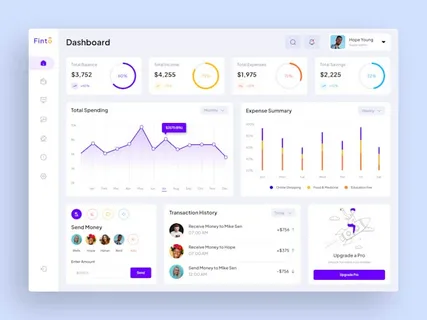
In a world overflowing with information, data alone is no longer the advantage—insight is. Whether you are tracking productivity, finances, health, or business metrics, the real challenge lies in turning raw numbers into meaningful actions. This is where From Data to Decisions: Building a Smarter Personal Dashboard becomes not just a concept, but a practical strategy for better daily decision-making.
A well-designed personal dashboard acts as a command center, helping you visualize trends, identify patterns, and focus on what truly matters.
Understanding the Purpose of a Personal Dashboard
A personal dashboard is a centralized interface that displays key data points relevant to your goals. Unlike traditional reports that are static and overwhelming, dashboards are dynamic and intuitive.
The primary purpose of a dashboard is clarity. Instead of juggling multiple apps, spreadsheets, or notebooks, you see your most important metrics in one place. This shift is essential in the journey from data to decisions, where speed and understanding are critical.
Choosing the Right Data to Track
One of the most common mistakes people make is tracking too much. More data does not automatically mean better decisions.
Focus on Key Metrics
Ask yourself:
- What information directly affects my goals?
- Which numbers influence my daily or weekly decisions?
For example, a personal productivity dashboard might include:
- Tasks completed vs. planned
- Time spent on deep work
- Energy levels throughout the day
Selecting the right metrics ensures your dashboard stays actionable, not distracting.
Designing for Simplicity and Insight
A smarter dashboard is not about fancy visuals—it’s about usability.
Visual Hierarchy Matters
Use charts, colors, and spacing to guide attention. Important metrics should be immediately visible, while secondary data can be placed lower or accessed on demand.
Make Trends Easy to Spot
Line charts, progress bars, and comparison indicators help you understand change over time. This visual storytelling bridges the gap from data to decisions, allowing you to act before small issues become big problems.
Tools and Technologies to Power Your Dashboard
Today, you don’t need to be a developer to build a powerful personal dashboard. A wide range of tools make it accessible:
- Spreadsheet tools with visualization features
- No-code dashboard platforms
- Data integrations from fitness apps, finance trackers, or task managers
The best tool is the one that fits seamlessly into your routine and updates automatically whenever possible.
Turning Insights into Action
Data becomes valuable only when it drives behavior.
Set Triggers and Thresholds
Define what action you’ll take when a metric crosses a certain point. For instance:
- If weekly focus time drops below a set level, reduce meetings
- If spending exceeds a budget category, adjust priorities
This proactive mindset is the essence of From Data to Decisions: Building a Smarter Personal Dashboard—using insight to guide intentional choices rather than reactive ones.
Evolving Your Dashboard Over Time
Your goals will change, and your dashboard should evolve with them. Review it regularly:
- Remove metrics that no longer serve you
- Add new ones aligned with current priorities
- Refine visualizations for better clarity
A dashboard is not a one-time project but a living system that grows alongside your personal or professional journey.
Conclusion
Building a smarter personal dashboard is about more than organizing data—it’s about designing a better way to think and act. By choosing the right metrics, simplifying visualization, and linking insights directly to actions, you complete the journey from data to decisions with confidence and clarity.
In an age of constant information, the smartest move is not collecting more data, but building systems that help you decide better, faster, and with purpose.
