


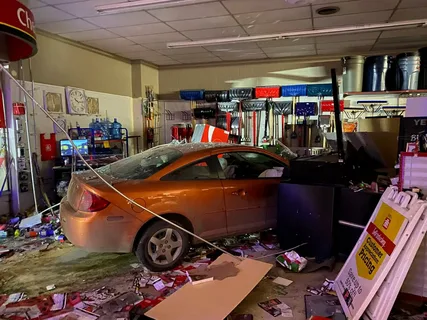
After a car accident, most people assume the biggest headache will be medical bills or repairing their vehicle. But in Austin, one of the most frustrating parts of the aftermath is often something far more basic:
Getting a rental car.
Rental cars sound simple—until you’re the one stuck without transportation, missing work, and being told by insurance that your coverage “doesn’t apply yet.”
Here’s what many drivers don’t realize: rental car issues can quietly become a financial and legal problem, especially when the other driver’s insurer delays or disputes fault.
Why Rental Cars Become a Problem So Often
Rental cars are usually tied to one key issue: liability.
If the other driver’s insurance accepts fault immediately, rental coverage may be approved quickly.
But if they:
- dispute fault
- claim you share responsibility
- “investigate” for weeks
- delay communication
then rental car approval can stall, leaving you paying out of pocket or stuck without a vehicle.
The Most Common Rental Car Trap: “We’re Still Investigating”
One of the most common phrases people hear from the other driver’s insurer is:
“We’re still investigating liability.”
That sentence can cost you hundreds or thousands of dollars.
During the “investigation,” you may still need:
- transportation to work
- rides to medical appointments
- school drop-offs
- basic errands
And in a city like Austin, where public transportation isn’t always convenient depending on where you live, being without a car can disrupt your entire life.
Insurance Companies Often Pay Only for the Cheapest Rental
Even when rental coverage is approved, insurers often limit reimbursement to:
- the cheapest daily rate
- the smallest vehicle class
- a fixed number of days
This becomes a serious issue if:
- you drive an SUV for family needs
- your vehicle repair is delayed due to parts
- your car is totaled and you need time to replace it
Insurance rental coverage often doesn’t match real-life needs.
“Total Loss” Cases Are the Worst for Rental Coverage
If your car is declared a total loss, many insurers stop rental coverage quickly—sometimes within days.
This creates a stressful gap because:
- you may not receive the payout immediately
- you may not be able to buy a replacement vehicle fast
- you may still be injured and unable to shop around
So you lose your rental before you have the funds to replace your car.
Rental Cars Can Become Evidence in a Claim
This part surprises people.
Rental costs can help demonstrate:
- the practical impact of the crash
- loss of use of your vehicle
- financial strain caused by the accident
But only if the rental situation is documented properly.
If you’re forced to pay out of pocket, those receipts matter.
What If the At-Fault Driver Has Low Coverage?
Texas minimum liability coverage often isn’t enough to cover:
- medical bills
- vehicle loss
- rental car costs
If the at-fault driver has minimal coverage, their insurer may prioritize:
- property damage
- basic payouts
and push back on anything they consider “extra,” including rental reimbursement.
This is one reason some people consult an Austin, TX Car Accident Lawyer to understand how rental expenses, vehicle loss, and injury claims fit together when the insurer starts limiting what they will cover.
How to Protect Yourself With Rental Car Issues
If you’re dealing with a rental car after a crash, it helps to:
- keep written proof that your vehicle is undrivable
- save all rental receipts
- document repair delays and body shop estimates
- track how the lack of transportation affects work and medical care
- avoid signing any settlement that includes “property damage release” unless you understand what it covers
Rental disputes often get tangled with settlement paperwork, and many people don’t realize what they are agreeing to.
Final Thoughts
Rental cars seem like a small part of an Austin accident claim, but they often become a major source of stress—especially when insurance delays liability decisions or cuts off coverage early.
Understanding how rental car coverage works (and how insurers use delays to reduce costs) helps you avoid being stuck paying for someone else’s mistake.
