


Introduction
Modern engineering is rapidly evolving with the integration of advanced digital technologies that improve accuracy, speed, and efficiency. One of the most transformative tools in this field is 3D laser scanning. The Top Benefits of Using a 3D Laser Scanner in Modern Engineering are reshaping how engineers, architects, and construction professionals capture and analyze real-world environments with exceptional precision.
A 3D laser scanner uses laser beams to capture millions of data points from an object or structure, creating a highly detailed “point cloud” that can be converted into accurate 3D models. This technology is now widely used in construction, civil engineering, manufacturing, and infrastructure development.
What is a 3D Laser Scanner?
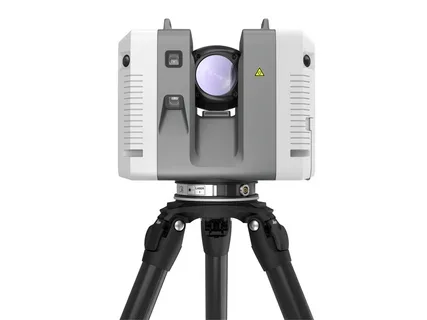
A 3D laser scanner is a device that measures distances by emitting laser beams toward surfaces and recording the reflected signals. These measurements are processed to generate a digital 3D representation of the scanned object or environment.
There are different types of scanners, including:
- Terrestrial laser scanners (used for buildings and large structures)
- Handheld scanners (used for smaller objects or confined spaces)
- Mobile laser scanners (mounted on vehicles for large-scale mapping)
Each type plays a critical role in capturing precise spatial data for engineering applications.
High Precision and Accuracy in Measurements
One of the most significant advantages of laser scanning technology is its unmatched accuracy. Traditional measurement methods often involve human error and time-consuming manual work. In contrast, laser scanners capture millions of data points within seconds, ensuring highly reliable results.
This precision helps engineers:
- Reduce design errors
- Improve project planning
- Ensure structural safety
- Minimize costly rework
In large-scale engineering projects such as bridges, tunnels, and industrial plants, even small inaccuracies can lead to major issues. Laser scanning significantly reduces such risks.
Improved Efficiency and Time Savings
Time efficiency is another major advantage when discussing the Top Benefits of Using a 3D Laser Scanner in Modern Engineering. Manual surveying methods can take days or even weeks depending on project size, whereas laser scanning can complete the same task in a fraction of the time.
Benefits include:
- Faster data collection on-site
- Reduced labor requirements
- Quick processing of digital models
- Accelerated decision-making
This efficiency allows engineering teams to focus more on design and analysis rather than data gathering.
Enhanced Safety in Hazardous Environments
Engineering projects often involve dangerous or hard-to-reach areas such as unstable structures, tall buildings, or industrial zones. 3D laser scanners allow professionals to collect data remotely without physically entering risky environments.
This improves safety by:
- Reducing the need for manual inspections in dangerous zones
- Minimizing exposure to structural collapse risks
- Allowing remote site analysis
By limiting human presence in hazardous areas, laser scanning technology plays a crucial role in occupational safety.
Better Project Collaboration and Visualization
Modern engineering projects often involve multiple teams working across different locations. 3D laser scanning improves collaboration by providing accurate digital models that can be shared easily among stakeholders.
Key advantages include:
- Cloud-based sharing of 3D models
- Improved communication between architects, engineers, and contractors
- Better visualization of project progress
- Reduced misunderstandings in design interpretation
This shared digital environment ensures everyone is working with the same accurate data.
Cost Reduction and Resource Optimization
Although the initial investment in laser scanning equipment may be high, it leads to significant long-term cost savings. Errors in construction and design are expensive to fix, and laser scanning helps prevent such issues from the beginning.
Cost benefits include:
- Reduced rework and material waste
- Fewer site visits required
- Lower labor costs for surveying
- Improved project efficiency
Overall, the technology enhances resource management throughout the project lifecycle.
Applications in Modern Engineering Fields
The Top Benefits of Using a 3D Laser Scanner in Modern Engineering are evident across various industries, including:
- Civil engineering (roads, bridges, tunnels)
- Architecture (building design and restoration)
- Manufacturing (quality control and reverse engineering)
- Oil and gas facilities (plant inspection and maintenance)
- Heritage preservation (digitally archiving historical sites)
Each application benefits from precise data capture and improved workflow efficiency.
Conclusion
As engineering continues to evolve, digital tools like 3D laser scanning are becoming essential rather than optional. The Top Benefits of Using a 3D Laser Scanner in Modern Engineering include higher accuracy, improved efficiency, enhanced safety, better collaboration, and significant cost savings.
By adopting this technology, engineering professionals can ensure more reliable project outcomes, reduce risks, and streamline workflows in ways that traditional methods simply cannot match.
