


When consumers pick up a grocery store milk carton, they rarely consider the complex journey it took to get there or how much its origin impacts final flavor and freshness. While massive industrial operations pool raw milk from hundreds of anonymous farms across multiple states to prioritize volume, independent regional processors build their business models around highly selective sourcing guidelines. By maintaining rigid control over their specific agricultural partners, these smaller facilities ensure that only the most pristine ingredients reach the production floor.
Restricting Sourcing to Single Trusted Partnerships
Industrial dairy networks rely on a vast web of suppliers, making it difficult to monitor day-to-day operations at the barn level. Independent processors reject this anonymous approach by working exclusively with a single, highly vetted agricultural partner. This exclusive relationship allows the processor to maintain complete visibility over the entire lifecycle of the raw ingredients.
Sourcing raw inventory from a dedicated, multi-generational supplier like Guernsey Farms Dairy ensures that the milk meets a consistently elevated standard of purity. When a processor knows the exact origin of every gallon, they can confidently guarantee a premium product to local families. This level of traceability builds immense community trust that giant corporate conglomerates simply cannot match.
Prioritizing Cow Welfare and Nutritional Choices
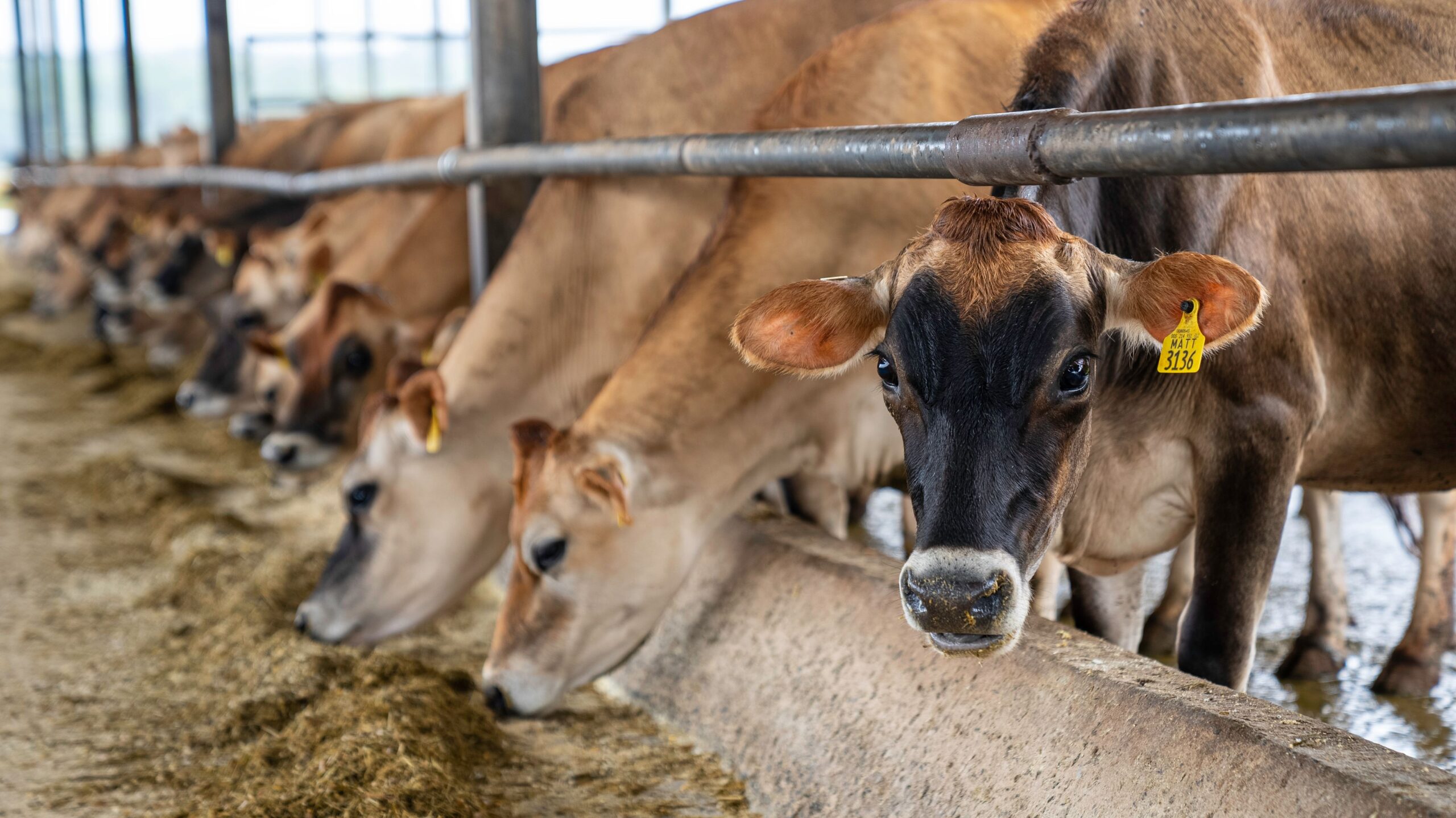
The specific diet and stress level of a dairy herd directly influence the chemical composition of the milk they produce. Progressive family farms focus heavily on animal comfort, providing spacious pastures and specialized premium feed blends for their cows. Happy, healthy animals naturally produce milk that is noticeably higher in beneficial butterfat and essential proteins.
Corporate factory farms often crowd thousands of animals into confined spaces where individual wellness checks are practically impossible to perform. In these environments, the focus remains strictly on volume rather than the individual well-being of the herd.
Smaller local networks evaluate the health of their herds daily to ensure optimal living conditions. Investing time into animal welfare results in a richer, sweeter raw product that forms the basis for award-winning dairy staples. Dedicated farmers track subtle changes in each cow’s behavior to catch minor wellness issues before they impact milk production. This meticulous, daily attention to detail ensures that the herd thrives, which translates directly to a cleaner taste for the consumer.
Implementing Advanced Onsite Testing Protocols
While federal guidelines mandate basic safety screens for bacteria, independent processors enforce much stricter internal metrics. Every shipment of raw cream undergoes comprehensive testing immediately upon arrival at the unloading bay. If a batch fails to meet precise standards for temperature or purity, the facility rejects the load entirely to protect the final product.
These rigorous checks happen in real time before the liquid is transferred into the main processing system. Technicians scrutinize the fat levels and overall cleanliness to protect the flavor integrity of the entire production run. This proactive approach ensures that minor agricultural irregularities never compromise the quality of the bottles headed to local households.
Minimizing Transit Times to Secure Freshness
Raw milk is an incredibly delicate substance that begins to break down structurally the moment it leaves the farm. Industrial logistics loops often force raw ingredients to sit in massive tanker trucks for days as they travel across multiple time zones. This prolonged transportation window exposes the dairy to subtle temperature variations that diminish the natural shelf life.
Regional processors deliberately locate their bottling facilities within a short drive of their agricultural partners to eliminate transit delays. Moving the fresh harvest from the milking parlor to the pasteurizer in just a few hours locks in peak nutritional value. This swift turnaround time means the product arrives on retail shelves days fresher than mass-produced alternatives.
Crafting Small Batches to Preserve Consistency
Once the raw milk arrives at the local processing plant, quality control continues through gentle handling techniques. Smaller facilities utilize specialized pasteurization processes that heat the liquid carefully without scorching the natural sugars, protecting the smooth, velvety mouthfeel that consumers expect from premium dairy products.
Massive corporate plants pasteurize fluids at extreme speeds under intense pressure, which can accidentally damage the delicate cream molecules. When these fats are fractured by heavy machinery, the milk loses its natural body and richness. This industrial disruption strips the beverage of its authentic character, leaving behind a thin, inconsistent texture. Consumers are left with a highly processed product that tastes more like water than farm-fresh dairy.
Hand-inspecting small batches allows human operators to adjust the equipment based on seasonal shifts in the milk composition. This meticulous attention to detail ensures that every single container delivered to the public maintains an uncompromised level of excellence.
Conclusion
The path from the pasture to the refrigerator highlights the profound structural differences between industrial mass production and localized craftsmanship. By enforcing strict farm partnerships, advanced physical testing, and rapid regional transit, independent processors deliver an undeniably superior product. Supporting these dedicated local operations allows families to enjoy dairy crafted with an authentic commitment to quality.
