


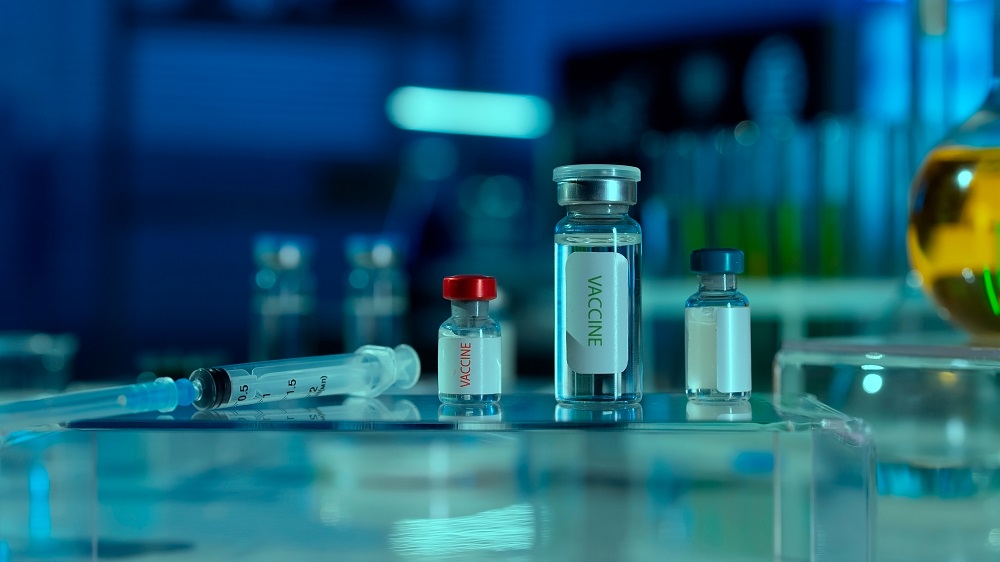
Research-grade lyophilized peptides play an important role in laboratory research because of their stability and ease of storage. Through lyophilization, also known as freeze-drying, moisture is removed from peptide compounds to help maintain their structural integrity and make them suitable for various research applications.
Scientists use these materials to study biological processes and support controlled experiments. Since they are designed for laboratory research, research-grade peptides offer consistent and reliable materials for scientific investigations. Their versatility makes them valuable across multiple fields, including molecular biology and pharmaceutical research. Understanding their common applications can help researchers identify the right peptides for their specific experimental goals. Read on to learn more.
Supporting Cell and Molecular Biology Research
One of the primary uses of research-grade lyophilized peptides is in cell and molecular biology studies. Researchers use peptides to examine signaling pathways and cellular responses under carefully controlled conditions. These studies help improve the understanding of biological mechanisms that influence normal cellular function and disease development.
Peptides can also serve as valuable research tools for identifying receptor activity and evaluating cellular communication. Since lyophilized peptides remain stable until reconstituted, laboratories can prepare them as needed while minimizing degradation. Their consistency contributes to reproducible experiments that are essential for generating meaningful scientific data. This makes research-grade lyophilized peptides a dependable component of many biological research projects.
Advancing Drug Discovery and Pharmaceutical Research
Drug discovery often begins with laboratory investigations that evaluate how specific compounds interact with biological targets. Research-grade lyophilized peptides are frequently used during these early research stages to explore molecular mechanisms and identify promising therapeutic pathways.
Scientists may analyze how peptide structures influence receptor binding, enzyme activity, or protein regulation within experimental models. These findings contribute valuable information that supports future pharmaceutical development and additional laboratory investigations. Because peptides can be synthesized with precise sequences, researchers have the flexibility to design studies around specific scientific questions. Reliable peptide quality also helps reduce variability between experiments, making data easier to interpret.
In some analytical workflows, researchers may use HJPLLC research-grade lyophilized peptides to support compound characterization and laboratory quality assessment as part of broader experimental procedures. These applications help scientists better understand their properties and their interactions within complex biological systems. With careful analysis and consistent research materials, laboratories can generate more dependable results that contribute to ongoing discoveries in pharmaceutical and biomedical fields.
Investigating Protein Interactions and Biochemical Pathways
Research-grade lyophilized peptides are valuable tools for studying how proteins interact within complex biological systems. Scientists often use them to investigate enzyme function and various biochemical pathways involved in normal physiology. Understanding these interactions provides insights into cellular communication and molecular regulation.
Researchers can also evaluate how small changes in peptide sequences influence biological responses under laboratory conditions. These experiments contribute to a deeper understanding of protein function and may reveal opportunities for future scientific exploration. Accurate peptide preparation is essential because even minor variations can affect experimental outcomes. As a result, well-characterized lyophilized peptides remain an important resource in biochemical research.
Supporting Laboratory Method Development and Validation
Another important application of research-grade lyophilized peptides is the development and validation of laboratory methods. Scientists use peptide standards to optimize analytical techniques and verify that testing procedures produce consistent, accurate results. This process helps improve the reliability of laboratory assays before they are applied in larger research projects.
Method validation also supports reproducibility, which is essential for comparing results across different laboratories and studies. Researchers may evaluate factors such as sensitivity, specificity, precision, or measurement consistency during this stage. Stable lyophilized peptides allow laboratories to prepare reference materials with confidence throughout the validation process. These efforts strengthen the overall quality and credibility of scientific research.
Conclusion
Research-grade lyophilized peptides continue to support a wide variety of laboratory applications, from molecular biology and biochemical research to pharmaceutical studies and analytical method development. Their stability and flexibility make them valuable research materials for generating reliable experimental data. By following proper laboratory practices and using well-characterized peptides, researchers can improve the accuracy and reproducibility of their work. As scientific research continues to evolve, these specialized compounds will remain essential tools for expanding knowledge across many fields of study.
