


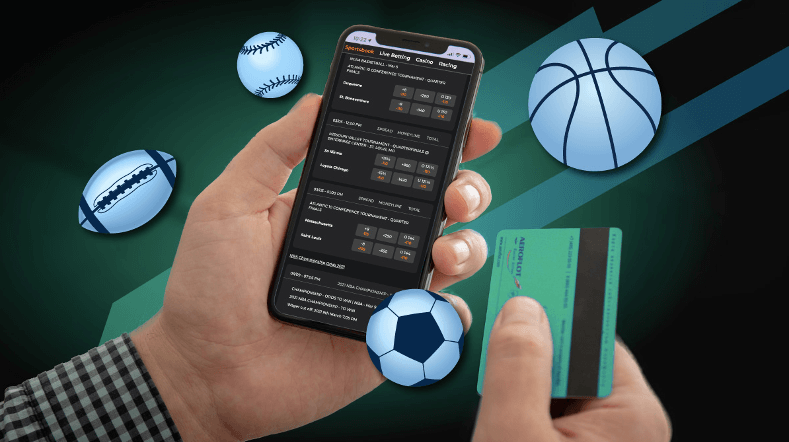
Online betting platforms can involve significant financial and privacy risks, particularly when users provide identification documents, payment information, contact details, and other personal data. Anyone researching betting sites in Saudi Arabia should therefore consider security and legal concerns before sharing information or transferring money.
Saudi Arabia has a comprehensive framework for personal-data protection. Its Personal Data Protection Law covers information such as identification numbers, contact details, financial information, and other data that can identify an individual. At the same time, Saudi Arabia maintains restrictions concerning gambling-related online activity, so users should understand the applicable laws before engaging with any betting service.
Understand the Legal Situation First
The first step in protecting yourself is understanding whether the activity and platform are permitted under the laws applicable to you. Security precautions cannot eliminate legal risks associated with prohibited gambling activity.
Saudi Arabia’s Anti-Cyber Crime Law includes provisions concerning websites that promote or facilitate gambling in circumstances covered by the law. Therefore, users should not assume that an overseas betting platform is automatically safe or legally usable simply because it can be accessed online.
Check What Information a Platform Requests
A betting website may request information during registration or verification, including your name, date of birth, identification details, telephone number, address, and payment information.
Before submitting anything, ask whether the requested information is genuinely necessary. Excessive requests for sensitive documents can be a warning sign, particularly when a website does not clearly explain why the information is required or how it will be protected.
Saudi Arabia’s Personal Data Protection Law specifically recognizes financial information and identification information as personal data, making careful handling of such information especially important.
Use Strong and Unique Account Credentials
Never reuse the password from your email, banking account, or social-media profile on a betting platform. If one service experiences a data breach, reused passwords can expose your other accounts.
A strong password should be long, difficult to guess, and unique to the particular account. Where available, enable multi-factor authentication because it adds another security layer if your password is compromised.
Be Careful With Payment Information
Financial information deserves particular attention. Avoid entering card or banking details on websites reached through suspicious advertisements, unsolicited messages, or unfamiliar links.
Before making any transaction, check the platform’s payment procedures, withdrawal conditions, transaction fees, and identity-verification requirements. A site that pressures users to make additional deposits before allowing withdrawals should be treated with extreme caution.
Watch for Phishing and Fake Betting Websites
Scammers can create websites that imitate legitimate-looking betting platforms. Fake pages may use familiar branding, copied designs, unrealistic promotions, or urgent messages designed to persuade users to deposit money quickly.
Do not provide passwords, card details, identification documents, or one-time verification codes through links received by email, SMS, messaging apps, or social media unless you can independently verify the source.
Protect Your Devices
Account security also depends on the security of your computer or smartphone. Keep your operating system, browser, and security software updated. Avoid installing applications from unknown sources, particularly applications advertised as unofficial betting apps.
Using public or shared computers for financial transactions can also increase exposure to password-stealing software and other threats. A personal, updated device is generally a safer environment for sensitive information.
Read the Privacy Policy
A privacy policy can reveal what information a platform collects, why it collects it, how long it retains information, and whether information may be shared with third parties.
This is particularly important because Saudi Arabia’s data-protection framework places obligations on organizations handling personal information. In January 2026, Saudi authorities reported enforcement decisions involving violations such as unjustified disclosure of personal data and failure to implement appropriate organizational, administrative, and technical safeguards.
Users should therefore avoid platforms that provide vague privacy information or make it unnecessarily difficult to understand how personal data is handled.
Keep Deposits and Personal Finances Separate
If gambling is legally permitted in the jurisdiction where you are located, maintaining strict financial boundaries can reduce potential losses. Never use money intended for rent, bills, food, debt payments, or other essential expenses.
Set a predetermined spending limit and stop when that limit is reached. Do not attempt to recover losses by increasing deposits, as chasing losses can quickly turn a limited financial risk into a much larger one.
Be Suspicious of Unrealistic Bonuses
Large bonuses and promotional offers can make an unfamiliar website appear attractive. However, a bonus is not necessarily free money. Terms may include wagering requirements, withdrawal restrictions, minimum deposits, expiration dates, or other conditions.
Read the complete terms before accepting an offer. If the conditions are unclear or the promotion appears deliberately misleading, avoiding the platform may be the safer choice.
Do Not Share Verification Codes
One-time passwords and verification codes should be treated like account passwords. Legitimate security processes should not require you to disclose a code to another person through a chat, phone call, or social-media message.
If someone claiming to represent a betting platform asks for your authentication code, stop the conversation and verify the request through an independently obtained official support channel.
Monitor Your Financial Accounts
Regularly review bank and payment-account activity for unfamiliar transactions. Early detection can help you respond more quickly if your payment information has been compromised.
Keep transaction notifications enabled where your financial institution provides them. An unexpected payment notification can be an important warning that your financial credentials may have been exposed.
Avoid Saving Sensitive Information on Shared Devices
Browsers sometimes save passwords, payment information, and form details automatically. This can create unnecessary exposure when a computer or phone is shared with other people.
For sensitive financial accounts, avoid saving payment details on devices that you do not personally control. Always sign out after using an account on a shared device.
Consider Data Privacy Before Uploading Identity Documents
Identity verification can involve passports, national identification documents, proof of address, or other sensitive records. Before uploading such documents, determine who operates the platform and whether there is a clear reason for collecting them.
Never send identity documents to an unknown individual through messaging apps simply because they claim to be a platform representative.
Recognize the Warning Signs of a Scam
Several warning signs should immediately increase your caution:
- The website promises guaranteed profits.
- Customer support demands payment to release a withdrawal.
- The platform asks for unnecessary personal information.
- Terms and conditions are missing or difficult to understand.
- The website uses suspicious or constantly changing domains.
- Representatives request passwords or verification codes.
- Promotions appear too good to be realistic.
- Withdrawal rules are unclear.
- You are pressured to deposit money immediately.
One warning sign does not necessarily prove that a website is fraudulent, but several together should be treated as a serious reason to stop.
What to Do If You Suspect a Data Breach
If you believe your account information has been compromised, change the affected password immediately and avoid reusing it elsewhere. Enable multi-factor authentication where possible and review your financial accounts for unauthorized activity.
If the same password was used on other services, change those accounts as well. Preserve relevant transaction records, emails, messages, and screenshots because they may help establish what happened.
Final Thoughts
Protecting money and personal information requires more than choosing a website with an attractive interface. Anyone researching betting sites in Saudi Arabia should consider legal restrictions, privacy practices, payment security, account protection, and the possibility of scams before providing personal or financial information.
Saudi Arabia’s cybersecurity environment continues to place strong emphasis on protecting digital systems and personal information. The National Cybersecurity Authority is responsible nationally for cybersecurity policies, frameworks, standards, and controls, while the Personal Data Protection Law provides a framework for safeguarding personal information.
Most importantly, no website should be treated as automatically trustworthy simply because it looks professional. Protect your credentials, minimize the personal information you share, monitor financial activity, and understand the applicable law before taking any financial risk online.
