


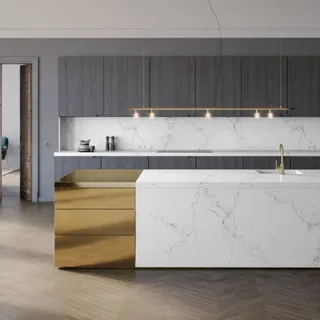
Marble look quartz surfaces offer a practical way to bring the elegance of natural marble into contemporary residential and commercial interiors. Featuring marble-inspired veining, refined colors, and versatile patterns, these engineered surfaces can complement kitchens, bathrooms, reception areas, and other spaces where appearance and everyday functionality matter.
Natural marble has long been associated with luxury and architectural beauty. However, selecting a surface involves more than choosing an attractive pattern. Maintenance requirements, durability, heat exposure, installation details, and compatibility with surrounding finishes all influence the long-term suitability of a countertop or interior feature.
Quartz surfaces inspired by marble provide an alternative for property owners seeking the visual character of stone without selecting natural marble itself. Hyundai L&C offers surface solutions worth exploring when comparing materials for modern interior projects. Understanding the characteristics and design possibilities of marble-inspired quartz makes it easier to choose a surface that meets the practical and aesthetic requirements of a project.
Understanding the Appeal of Marble Look Quartz Surfaces
Marble-inspired quartz combines the appearance of natural marble with the characteristics of an engineered surface. These products typically contain quartz and other materials bound with resins, pigments, and additional components. Manufacturing techniques create patterns and colors that resemble the veining and movement associated with marble.
Unlike natural marble, which develops through geological processes, engineered quartz is manufactured under controlled conditions. This allows manufacturers to produce a range of decorative designs, from subtle gray veins against white backgrounds to bolder patterns with contrasting colors.
The resulting surfaces can suit different interior styles, including minimalist, contemporary, transitional, and traditional designs.
Several characteristics contribute to their appeal:
- Marble-inspired aesthetics: Veining and color combinations create a sophisticated appearance without requiring natural marble.
- Design consistency: Manufactured patterns can provide a more controlled appearance across multiple surfaces, depending on the product.
- Everyday practicality: Many quartz surfaces are nonporous, helping resist common household stains when properly maintained.
- Interior versatility: Marble-inspired designs can complement cabinetry, decorative hardware, flooring, and wall finishes.
- Multiple design options: Different colors, vein patterns, and finishes allow designers to coordinate surfaces with various interior concepts.
Understanding these characteristics helps homeowners make informed comparisons rather than choosing a material based solely on appearance.
How Marble-Inspired Quartz Compares With Natural Marble
Natural marble and engineered quartz can both contribute to elegant interiors, but their composition and maintenance requirements differ.
Marble is a natural stone formed primarily from recrystallized carbonate minerals. Its veining and color variations develop naturally, meaning each slab has distinctive characteristics. This uniqueness appeals to homeowners who prefer organic patterns and the individuality of natural materials.
However, marble is susceptible to etching from acidic substances, including lemon juice and vinegar. It can also absorb certain liquids and develop stains if spills are not addressed appropriately. Sealing and careful maintenance may be necessary, depending on the stone and the product recommendations.
Engineered quartz offers a different balance of appearance and maintenance. Many quartz surfaces are nonporous and do not require routine sealing. Their resistance to everyday staining can make them suitable for busy kitchens and bathrooms, provided the specific product is used and maintained according to manufacturer instructions.
Nevertheless, quartz is not indestructible. Excessive heat, abrasive cleaners, harsh chemicals, and improper handling can damage some products. The resin components used in engineered quartz can also be sensitive to prolonged high temperatures.
The choice between these materials should reflect the priorities of the project. Natural marble may appeal to those who value geological variation, while marble-inspired quartz may suit those seeking a more controlled decorative pattern and lower routine maintenance requirements.
Choosing the Right Color and Veining Pattern
Color selection plays a significant role in determining how a quartz surface influences the overall appearance of a room. The right design should complement existing finishes while supporting the intended atmosphere.
White Quartz With Gray Veining
White quartz with gray veining is a popular choice for kitchens, bathrooms, and open-plan interiors. Its light background can help a room feel bright, while the veining introduces visual interest without overwhelming surrounding elements.
This combination pairs well with white cabinetry, natural wood finishes, brushed metal hardware, and neutral wall colors. It can also provide contrast against darker cabinets or flooring.
For a balanced appearance, consider the scale and intensity of the veining. Fine lines create a restrained look, while broad, dramatic veins can make a kitchen island or vanity the centerpiece of the room.
Warm Marble-Inspired Designs
Quartz surfaces with beige, cream, or warm gray tones can create a softer atmosphere than cooler white-and-gray combinations. These colors work particularly well with wood cabinetry, warm lighting, brass hardware, and earthy decorative materials.
Warm-toned designs can also help connect contemporary finishes with traditional architectural details. Reviewing samples beside existing materials is useful because undertones may appear different under daylight and artificial lighting.
Bold Veining and Statement Surfaces
Some marble-inspired quartz designs feature prominent veins and contrasting colors. These patterns can introduce movement and personality into a room, particularly when used on a large island, feature countertop, or bathroom vanity.
When selecting a bold pattern, consider how it interacts with nearby surfaces. Simpler cabinetry, understated backsplashes, and restrained decorative finishes can prevent the overall design from becoming visually crowded.
Where Marble Look Quartz Works Best
One advantage of marble-inspired quartz is its adaptability across different interior applications. Selecting the right location requires consideration of both the product’s specifications and the conditions of the space.
Kitchen Countertops and Islands
Kitchen countertops need to accommodate food preparation, frequent cleaning, and everyday household activity. Marble-inspired quartz can provide an elegant appearance while offering useful resistance to common stains.
A large kitchen island is another opportunity to showcase distinctive veining. Waterfall edges, coordinated backsplashes, and carefully planned seams can help create a cohesive design.
However, cutting boards should be used to protect the surface from scratches, and trivets should be placed beneath hot pans. Product-specific guidance should determine which cleaning agents and maintenance practices are appropriate.
Bathroom Vanities
Bathroom vanities benefit from surfaces that complement mirrors, lighting, cabinetry, and wall finishes. White or cream quartz with subtle veining can create a clean, understated appearance, while darker or more dramatic patterns can establish a stronger visual focal point.
Because many engineered quartz products are nonporous, they can be practical for vanity countertops exposed to ordinary splashes and grooming products. Spills should still be cleaned promptly, and harsh chemicals should be avoided unless the manufacturer approves their use.
Before specifying a product for a bathroom, confirm its suitability for the intended application and follow the recommended installation details.
Commercial and Hospitality Interiors
Marble-inspired quartz can also be considered for reception desks, selected hospitality interiors, and other commercial spaces where a polished stone-like appearance is desirable.
In these settings, consistency across multiple installations may be an important design consideration. Product availability, slab dimensions, cleaning procedures, and expected traffic should all be reviewed before final selection.
Not every quartz product is appropriate for every commercial application. Specifications should be checked carefully, particularly where surfaces may experience elevated temperatures, unusual chemical exposure, or demanding operating conditions.
Important Factors Before Purchasing Quartz Surfaces
Choosing a surface becomes easier when aesthetic preferences are evaluated alongside practical requirements.
Consider the following factors before placing an order:
- Measure the intended area. Accurate measurements help determine the quantity of material required and identify potential seam locations.
- Review full slab patterns. Small samples are useful, but a full slab view provides a better understanding of vein direction, color distribution, and pattern repetition.
- Coordinate surrounding finishes. Compare the surface with cabinetry, flooring, backsplash materials, and hardware to avoid conflicting undertones.
- Check product specifications. Review the manufacturer’s guidance for heat resistance, cleaning, intended applications, and other performance characteristics.
- Discuss fabrication requirements. Edge profiles, cutouts, sink openings, and seam placement can influence the finished result.
- Confirm installation details. Appropriate support, handling, and installation methods help reduce the risk of damage.
- Understand maintenance expectations. Ask which cleaning products are suitable and whether any additional care requirements apply.
These steps can help prevent avoidable design inconsistencies and clarify whether the selected material meets the project’s needs.
Maintaining Marble Look Quartz Surfaces
Although engineered quartz is generally designed for practical everyday use, appropriate maintenance helps preserve its appearance.
For routine cleaning, use a soft cloth or nonabrasive sponge with mild soap and water. Follow the product manufacturer’s instructions when removing stubborn marks or cleaning substances that may affect the finish.
Avoid using unapproved abrasive pads, strong chemicals, or cleaning products that could damage the resin or surface treatment. If a spill occurs, clean it promptly rather than allowing residue to accumulate.
Heat protection is equally important. Hot cookware should not be placed directly on quartz countertops because sudden or prolonged heat exposure may cause discoloration, cracking, or other damage. Use trivets or heat-resistant pads as a precaution.
Cutting boards can help prevent scratches and protect the countertop from unnecessary wear. Heavy objects should also be handled carefully, especially near edges and corners, where impacts may cause chips.
For persistent stains or accidental damage, consult the manufacturer’s care guidance before attempting a repair. Using an unsuitable cleaning agent or repair method can make the problem worse.
How Hyundai L&C Fits Into Modern Surface Design
When comparing engineered surfaces, product selection should consider appearance, application requirements, and available design options. Hyundai L&C provides surface solutions for residential and commercial interiors, making its product range a useful starting point for those researching contemporary countertop and interior materials.
Exploring the available collections can help homeowners, designers, and contractors compare decorative styles and identify options that complement a project’s intended look. Product-specific details should be reviewed before making a final decision, including dimensions, application suitability, care recommendations, and installation requirements.
For design professionals, coordinating surface materials early in the planning process can also help align cabinetry, lighting, flooring, and architectural details. This approach allows the countertop to contribute to a unified interior rather than appearing as an isolated decorative feature.
Conclusion
Marble look quartz surfaces bring marble-inspired patterns into interiors while offering practical characteristics that appeal to homeowners, designers, and commercial property developers. Their range of colors and veining styles makes them suitable for different design approaches, from understated kitchens to statement islands and refined bathroom vanities.
A successful selection depends on more than visual appeal. Comparing product specifications, reviewing full slab patterns, coordinating surrounding finishes, and understanding maintenance requirements can help ensure that the chosen surface suits its intended environment.
By evaluating these details and exploring the surface solutions available from Hyundai L&C, property owners can make informed decisions that balance design preferences with everyday functionality. With thoughtful planning and appropriate care, marble-inspired quartz can contribute to an attractive, cohesive interior for years to come.
