


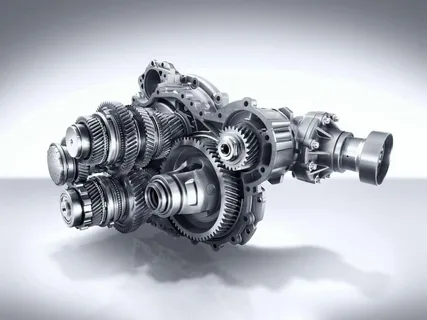
Quality transmission hardware is essential for maintaining a reliable Toyota drivetrain. Worn, missing, or improperly installed fasteners can contribute to leaks, vibration, premature wear, and component failure. Whether rebuilding a manual transmission, restoring a Toyota, or upgrading an off-road rig, using properly matched hardware helps ensure secure fitment and dependable performance.
Yotamasters provides Toyota-specific transmission hardware designed to support accurate installation and long-term drivetrain reliability under demanding driving conditions.
Why Transmission Hardware Deserves More Attention
Transmission hardware includes much more than standard nuts and bolts. These components are engineered to withstand constant vibration, heat cycles, torque loads, and harsh operating environments. Every fastener within the transmission system serves a specific purpose, helping maintain proper alignment and secure critical components under demanding conditions.
Toyota engineers carefully specify hardware dimensions, material strength, thread pitch, and torque values because even slight variations can affect long-term performance. Using incorrect hardware during repairs may create alignment issues that accelerate wear or compromise sealing surfaces.
For vehicles that regularly see trail use, towing, or heavy loads, the importance of properly functioning transmission hardware becomes even greater. Continuous drivetrain stress places additional demands on every mounting point and fastening component.
Common Components Included in Transmission Hardware
Although hardware kits vary depending on transmission type and application, they typically include the essential fasteners required during installation or rebuilding.
Transmission hardware commonly consists of mounting bolts, bellhousing bolts, crossmember fasteners, inspection cover bolts, dowel pins, washers, locking hardware, retaining clips, and specialized Toyota-specific fasteners designed for precise fitment. Each component helps maintain proper drivetrain geometry throughout thousands of miles of operation.
Why Reusing Old Hardware Can Create Problems
Many DIY mechanics attempt to save money by reinstalling original transmission hardware during repairs. While some fasteners remain reusable, others experience stretching, corrosion, or thread fatigue after years of service.
Hardware may appear visually acceptable while already losing its ability to maintain proper clamping force. Reduced clamping pressure can eventually lead to oil leaks, vibration, or loosening under repeated load cycles.
Older vehicles are especially susceptible because decades of exposure to moisture, road salt, mud, and heat gradually weaken even high-quality fasteners.
Replacing worn hardware during transmission service often represents one of the lowest-cost investments with one of the highest reliability benefits.
Off-Road Driving Places Greater Demands on Transmission Hardware
Toyota trucks and SUVs have earned a reputation for durability because they’re frequently driven well beyond paved roads. Rock crawling, overlanding, desert driving, and technical trail use expose drivetrain components to conditions that standard highway driving rarely creates.
Constant suspension articulation transfers additional forces throughout the drivetrain. Sudden impacts, steep inclines, and drivetrain shock loads increase stress on transmission mounting hardware.
Loose or weakened fasteners can allow slight drivetrain movement, which may eventually contribute to:
- Transmission mount wear
- Driveline vibration
- Misalignment between transmission and transfer case
- Accelerated seal wear
- Increased stress on drivetrain components
Maintaining properly torqued, high-quality transmission hardware becomes an important part of preparing any off-road Toyota for dependable performance.
Choosing the Right Hardware for Toyota Transmissions
Toyota transmissions feature numerous design variations across different generations, engines, and drivetrain configurations. Hardware that fits one transmission may not fit another, even within the same vehicle family.
Before purchasing replacement hardware, verify factors including:
- Vehicle year
- Engine type
- Transmission model
- Transfer case configuration
- Two-wheel-drive or four-wheel-drive application
Using application-specific hardware helps eliminate installation problems while ensuring the correct strength and dimensions for each fastening point.
Material Quality Matters More Than Many Realize
Not all fasteners are manufactured to the same standards. Hardware designed for general automotive use may lack the strength, corrosion resistance, or dimensional precision required for transmission applications.
Quality transmission hardware is typically manufactured using high-strength steel with protective coatings that resist corrosion while maintaining accurate torque characteristics.
Lower-quality alternatives may have inconsistent thread quality or lower tensile strength, increasing the likelihood of failure under repeated stress. Investing in quality hardware supports the longevity of every surrounding transmission component.
Proper Installation Is Just as Important as the Parts
Even premium hardware can fail to perform properly when installation procedures are overlooked. Using the correct torque specifications ensures proper clamping force without overstressing fasteners or damaging aluminum housings.
Over-tightening can strip threads, while under-tightening may allow fasteners to loosen during operation. Clean threads, an accurate torque wrench, and the manufacturer’s recommended tightening sequence all support proper installation. Following the vehicle manufacturer’s specifications helps ensure reliable transmission hardware performance and long-term drivetrain durability.
Signs Your Transmission Hardware May Need Replacement
Drivers often focus on transmission performance without considering the hardware supporting the entire assembly. Several warning signs may indicate worn or compromised hardware.
Persistent transmission fluid leaks around mounting surfaces can indicate reduced clamping force. Unusual drivetrain vibration during acceleration may suggest loose mounting bolts or deteriorating transmission mounts. Visible corrosion, rounded bolt heads, damaged threads, or missing fasteners should also be addressed promptly.
Any transmission removal provides an excellent opportunity to inspect and replace questionable hardware before reassembly.
Supporting Long-Term Toyota Reliability
Toyota owners often invest significant time and money into rebuilding transmissions or upgrading drivetrain components. Protecting that investment requires attention to every detail, including the hardware holding everything together.
Transmission rebuilds are approached with the understanding that long-term reliability depends on complete system integrity rather than major components alone. Selecting application-specific hardware that matches Toyota engineering specifications helps create dependable drivetrains capable of handling daily driving, towing, and demanding off-road use with confidence.
Rather than treating fasteners as an afterthought, experienced builders recognize that properly selected transmission hardware contributes directly to drivetrain stability, leak prevention, and long service life.
Final Thoughts
Transmission hardware rarely receives the attention given to gears, synchronizers, or bearings, yet these small components play a critical role in every successful repair or rebuild. Choosing quality hardware, following proper installation procedures, and replacing worn fasteners during transmission service can significantly improve long-term reliability. Attention to every detail, including selecting the right transmission hardware, helps Toyota owners build dependable drivetrains that can withstand daily driving, towing, and demanding off-road conditions.
Whether you’re restoring a classic Land Cruiser, maintaining a Tacoma work truck, or preparing a trail-ready 4Runner, investing in quality transmission hardware helps ensure the entire drivetrain performs as designed for years to come. By combining the right components with proper installation practices, Yotamasters helps drivers maximize the performance, durability, and longevity of their Toyota transmission systems.
