


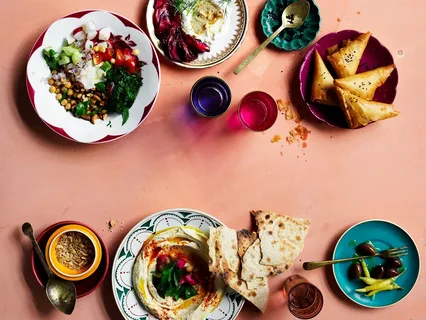
The Middle East is a region that boasts a rich history of culinary tradition, blending the flavors of spices, herbs, and fresh ingredients that have been passed down through generations. From the bustling souks of Morocco to the ancient streets of Istanbul, the Middle Eastern cuisine is a delightful journey for the senses. A Taste of the Middle East: Discovering Iconic Dishes and Culinary Secrets invites you to explore the diverse flavors, aromas, and techniques that make Middle Eastern food so unique. In this article, we will delve into some of the region’s most iconic dishes and uncover the culinary secrets behind them.
The Heart of Middle Eastern Cuisine: A Blend of Flavors
Middle Eastern cuisine is a melting pot of various cultures, including Arab, Persian, Turkish, and Jewish influences. The key to its distinctive taste lies in the use of aromatic spices like cumin, coriander, saffron, and cinnamon. Olive oil, yogurt, and fresh vegetables also play a vital role in creating dishes that are both flavorful and nutritious.
Iconic Dishes of the Middle East
1. Hummus: The Creamy Delight of the Region
Hummus is undoubtedly one of the most popular and beloved dishes in the Middle East. Made primarily from chickpeas, tahini (sesame paste), olive oil, garlic, and lemon juice, this creamy dip is often served as a starter or side dish with pita bread. Its versatility is unmatched, and it can be topped with anything from olive oil and paprika to pine nuts and parsley.
Hummus has become a global phenomenon, but its roots lie deep in the Middle East, where it is considered a staple in nearly every household.
2. Falafel: The Crunchy Middle Eastern Street Food
Falafel is another iconic dish that has captured the hearts of food lovers worldwide. These deep-fried balls of chickpeas, herbs, and spices are typically served in pita bread with salads, pickles, and tahini sauce. Originally from Egypt, falafel has become a symbol of Middle Eastern street food, enjoyed across the region and beyond.
The secret to a perfect falafel lies in the balance of herbs and spices. Ingredients such as parsley, cilantro, garlic, cumin, and coriander combine to create a vibrant and aromatic flavor profile.
3. Shawarma: The Ultimate Middle Eastern Sandwich
Shawarma is one of the most beloved street foods in the Middle East, often sold from stalls with rotisserie grills spinning slow-cooked meats. Traditionally made with lamb, chicken, or beef, shawarma is seasoned with a rich blend of spices and served in pita or flatbread with tomatoes, cucumbers, onions, and tahini or garlic sauce. Its smoky, savory flavor is enhanced by the tender, juicy meat that is cooked to perfection.
What sets shawarma apart is its method of preparation. The slow-roasting technique, combined with the layers of fat and spices, results in an incredibly flavorful and moist meat that is simply irresistible.
Middle Eastern Culinary Secrets: Techniques and Tips
1. The Art of Grilling and Roasting
Middle Eastern cooking is renowned for its grilling and roasting techniques, particularly when it comes to meat. Grilling kebabs, shawarma, and other meats over open flames gives the dishes a smoky flavor that is unmatched. Roasting vegetables, such as eggplant for baba ghanoush, also adds depth to the dish’s flavor.
One of the best-known techniques is “slow-cooking,” which tenderizes meats and infuses them with a myriad of spices. This method is often used for dishes like lamb stew or kebabs, where the slow cooking process allows the spices to meld and develop.
2. Using Fresh and Seasonal Ingredients
In the Middle East, the emphasis on fresh ingredients is key to creating flavorful dishes. Vegetables like eggplant, tomatoes, cucumbers, and zucchini are often used in salads or as accompaniments. Herbs like mint, parsley, cilantro, and dill are staples in Middle Eastern kitchens, bringing a burst of freshness to every bite.
Another culinary secret lies in the use of yogurt. It is an essential ingredient that provides a creamy texture and tangy flavor to many Middle Eastern dishes. Whether in dips, marinades, or as a side dish, yogurt enhances the overall experience.
3. Balancing Spices for Maximum Flavor
The magic of Middle Eastern cuisine lies in the art of balancing spices. While cinnamon, turmeric, cumin, and coriander are commonly used, it’s the careful blending of these spices that elevates the dish. For instance, in a dish like kibbeh (a type of meatball), the mixture of cinnamon and allspice brings an exotic and aromatic flavor that’s distinctively Middle Eastern.
Many Middle Eastern dishes, especially stews and rice dishes, are built on the base of onions, garlic, and spices sautéed together. This technique, known as “sofrito” in some cultures, is the foundation of many beloved dishes like moussaka and rice pilafs.
Desserts and Sweets: A Sweet Ending to the Meal
No Middle Eastern meal is complete without a touch of sweetness. Middle Eastern desserts are often flavored with rose water, orange blossom water, and honey, creating a fragrant and delicate sweetness.
Baklava: The Flaky, Nutty Pastry
Baklava is one of the most iconic desserts of the region. Made from layers of filo pastry filled with ground nuts, butter, and sugar syrup, baklava is a sweet, crispy treat that is often served at special occasions and celebrations. The combination of textures—crunchy filo pastry with the rich, nutty filling—makes it an unforgettable dessert.
Knafeh: The Middle Eastern Cheesecake
Another popular dessert is knafeh, a sweet, cheesy pastry soaked in syrup and topped with pistachios. The blend of warm cheese and crunchy, golden pastry is indulgent yet comforting, making it a favorite in countries like Lebanon, Palestine, and Jordan.
A Taste of the Middle East: Culinary Traditions That Transcend Borders
Middle Eastern cuisine is much more than just a set of recipes; it’s a reflection of the region’s diverse cultures, history, and geography. From the Levant to the Arabian Peninsula, each dish tells a story of local ingredients, family traditions, and cultural exchanges that span centuries.
So, whether you’re savoring the smooth, rich flavors of hummus or biting into the crispy exterior of falafel, a taste of the Middle East offers an unforgettable culinary experience that captures the heart of this vibrant region.
