


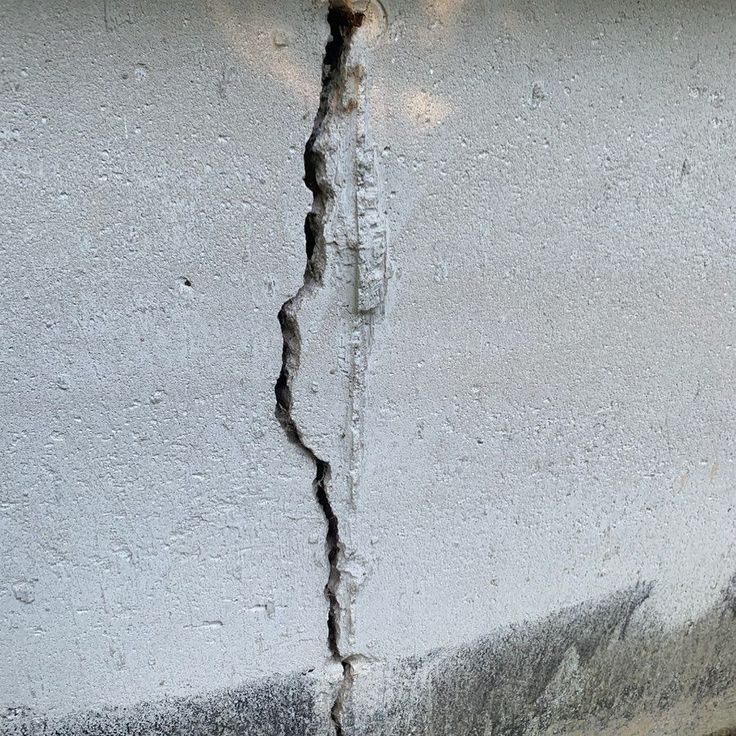
Foundation cracks are a common concern for homeowners, but not all cracks are created equal. Some remain stable over time, while others can grow rapidly, signaling serious structural issues. Evaluating the Damage explains how to measure crack growth over a single season, helping homeowners determine whether their cracks are cosmetic or require professional intervention. Look for good waterproofing companies near me inorder to get good results.
Why Monitoring Crack Growth Matters
Cracks in walls, floors, and foundations can result from natural settling, soil movement, or structural stress. While minor cracks are often harmless, rapidly growing cracks can compromise the integrity of your home. Monitoring crack growth allows homeowners to:
-
Identify active cracks that may indicate structural problems
-
Track seasonal changes due to soil expansion, contraction, or moisture fluctuations
-
Decide whether DIY fixes are sufficient or if professional repair is needed
-
Protect property value by addressing issues early
Seasonal Factors Affecting Cracks
Crack size and growth can vary throughout the year due to environmental and soil conditions:
-
Winter: Soil contraction due to freezing temperatures can cause cracks to widen.
-
Spring: Thawing and increased groundwater can exacerbate foundation movement.
-
Summer: Dry conditions may shrink clay soils, leading to additional stress on walls and floors.
-
Fall: Seasonal rain and soil expansion may temporarily reduce crack width but still contribute to long-term movement.
By observing cracks over a full season, homeowners gain a clearer understanding of the underlying causes and severity.
Tools Needed to Measure Crack Growth
Tracking crack growth requires simple tools and careful documentation:
-
Measuring tape or ruler for width and length measurements
-
Permanent markers or pencil to mark crack endpoints
-
Notebook or smartphone for recording measurements and notes
-
Camera for photographic documentation
-
Crack gauge (optional) for precise monitoring over time
Step-by-Step Process to Measure Crack Growth
-
Initial Assessment:
Inspect the crack and note its location, orientation, and initial size. Take clear photos and measure both width and length. -
Mark the Endpoints:
Use a permanent marker or tape to mark the start and end points of the crack on walls or floors. This ensures consistent measurements throughout the season. -
Record Measurements:
Measure width and length carefully and document them in a notebook or spreadsheet. Include the date and any environmental conditions, such as recent rainfall or temperature extremes. -
Regular Monitoring:
Check the crack weekly or monthly, repeating the same measurement process. Look for changes in width, length, or new branching cracks. -
Photographic Comparison:
Take photos from the same angle each time to visually track changes. This provides clear evidence of crack growth over time. -
Analyze the Data:
Compare measurements across the season. Minor seasonal fluctuations are often normal, but consistent widening or lengthening indicates structural stress.
When to Call a Professional
If cracks show any of the following signs, it’s time to consult a structural engineer or foundation specialist:
-
Rapid growth in width or length
-
Horizontal, stair-step, or diagonal patterns in walls or foundation
-
Misaligned doors or windows near the crack
-
Bowing or leaning walls
-
Water infiltration through the crack
Professional assessment ensures accurate diagnosis and helps prevent further structural damage.
Tips for Effective Crack Monitoring
-
Keep measurements consistent by using the same tools and reference points
-
Note environmental conditions, as moisture and temperature affect crack behavior
-
Document minor cracks as well—tracking early signs can prevent costly repairs
-
Combine crack monitoring with inspections of other foundation indicators, such as floor level or wall bowing
Conclusion
Evaluating the Damage highlights that careful monitoring of crack growth over a single season provides critical insight into your home’s foundation health. By tracking width, length, and patterns, homeowners can distinguish between harmless settling and serious structural stress.
Measuring crack growth regularly empowers you to take timely action, whether that means simple cosmetic repairs or engaging a professional to safeguard your home. Knowledge and vigilance are the first steps toward maintaining a strong, safe, and long-lasting foundation.
