


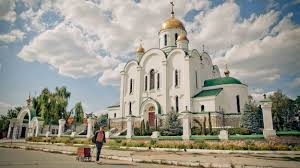
In an era when the Soviet Union has long dissolved into history books, one peculiar territory continues to exist as if time stopped in 1991. Transnistria, a narrow strip of land between Moldova and Ukraine, operates as a self-declared republic that the international community does not recognize. Yet this geopolitical anomaly has become an unlikely draw for adventurous travelers, creating a niche tourism sector that offers something genuinely rare in modern Europe: a living museum of Soviet culture, aesthetics, and governance. Transnistria tourism represents one of the world’s most unusual travel experiences, combining Cold War nostalgia, political intrigue, and authentic glimpses into a society that exists outside the normal bounds of international recognition.
Understanding Transnistria: Context for Visitors
Before engaging in Transnistria tourism, understanding the region’s complex status proves essential. Following Moldova’s independence from the Soviet Union in 1991, the predominantly Russian-speaking population east of the Dniester River declared independence, fearing that Moldova might reunite with Romania. A brief but violent conflict in 1992 resulted in a ceasefire that established de facto independence, though no United Nations member state recognizes Transnistria as a sovereign nation. Moldova considers it occupied territory, while Transnistria maintains its own government, currency, borders, and military.
This liminal status creates the unique conditions that make Transnistria tourism so fascinating. The breakaway republic has preserved Soviet-era symbols, governance structures, and social organization to a degree found nowhere else in the former Soviet space. Statues of Lenin still dominate public squares, the hammer and sickle remain prominent on flags and official buildings, and the political system maintains characteristics of Soviet governance adapted to contemporary circumstances.
Getting There: Border Crossings and Entry Requirements
Accessing Transnistria represents the first adventure in Transnistria tourism. Most visitors enter from Moldova, with the primary crossing point located between the Moldovan town of Bender and the Transnistrian capital of Tiraspol. Additional crossings exist along the Moldovan border and at the Ukrainian frontier, though the latter has seen restricted access due to regional security concerns.
Entry procedures involve registering with Transnistrian border authorities, who issue migration cards allowing stays of up to forty-five days for most nationalities. This process typically takes minutes and costs nothing, though regulations can change unpredictably. Visitors should carry passports, as Transnistrian authorities do not recognize other travel documents. The migration card must be retained and presented upon departure, as losing it can result in fines or complications.
Photography restrictions apply at border crossings, government buildings, and military installations. Transnistrian authorities take security seriously, and violating photography prohibitions can lead to detention, equipment confiscation, or expulsion. Respecting these boundaries is essential for smooth Transnistria tourism experiences.
Tiraspol: The Capital Experience
Tiraspol, the self-declared capital, serves as the epicenter of Transnistria tourism. This city of approximately 130,000 residents offers the most concentrated experience of Soviet aesthetics and culture. The main boulevard, October 25th Street, named after the Bolshevik Revolution date, stretches wide and imposing, lined with Soviet-era monuments and government buildings adorned with communist symbols.
The centerpiece of Tiraspol tourism is the massive Lenin statue facing the Supreme Soviet building. This monument represents one of the few remaining Lenin statues still occupying a place of honor in a European capital, creating a striking visual that epitomizes Transnistria’s frozen-in-time quality. The surrounding square hosts military parades on significant holidays, offering visitors glimpses into ceremonial traditions that disappeared elsewhere decades ago.
The Kvint distillery and factory provides one of Transnistria tourism’s most popular organized activities. Founded in 1897, Kvint produces brandies, vodkas, and wines using traditional methods. Tours showcase the production process, aging cellars filled with barrels dating back decades, and conclude with tastings of products that have won international recognition despite Transnistria’s diplomatic isolation. The distillery represents both Soviet industrial heritage and a functioning modern business, exemplifying the paradoxes that define the region.
Cultural Attractions and Museums
Transnistria tourism includes several museums that provide context for the region’s history and current situation. The Tiraspol History Museum offers exhibits covering local history from ancient times through the Soviet period and the 1992 conflict. The narrative presented reflects Transnistrian perspectives on independence and sovereignty, providing insights into how residents view their unique status.
The Memorial of Military Glory commemorates soldiers who died in the 1992 war. This solemn site features an eternal flame, military equipment displays, and a museum documenting the conflict from the Transnistrian perspective. Visiting this memorial helps visitors understand the emotional and historical foundations of Transnistrian identity, beyond the superficial Soviet aesthetics that initially attract many tourists.
The Bender Fortress, technically located in Moldovan-controlled territory but accessible from Transnistria, represents one of the region’s most impressive historical sites. This sixteenth-century Ottoman fortification has witnessed centuries of conflicts and today offers well-preserved ramparts, towers, and panoramic views. The fortress serves as a symbol of the region’s strategic importance and turbulent history.
Soviet Aesthetics and Daily Life
Much of Transnistria tourism’s appeal lies in experiencing daily life in a society that maintains Soviet-era characteristics. Architecture throughout Tiraspol and other towns reflects typical Soviet planning: concrete apartment blocks, imposing government buildings, wide boulevards, and public squares designed for mass gatherings. Unlike many former Soviet republics where Western influence has transformed urban landscapes, Transnistria has preserved this aesthetic almost entirely.
The currency itself becomes a tourist attraction. Transnistrian rubles feature distinctive designs including the republic’s coat of arms, images of Suvorov, and various historical and cultural symbols. These colorful plastic coins and notes cannot be exchanged outside Transnistria, making them popular souvenirs. The economic isolation forces a largely cash-based economy, as international credit cards generally don’t function in the breakaway republic.
Shopping at local markets and Soviet-style department stores provides authentic glimpses into daily economics. Prices remain remarkably low by European standards, though the selection reflects limited international trade. Grocery stores stock Russian products alongside local manufactures, and vodka costs less than bottled water, maintaining a very Soviet sensibility about alcohol accessibility.
Practical Considerations for Transnistria Tourism
Successfully navigating Transnistria tourism requires preparation and awareness of unique challenges. Communication can be difficult, as English proficiency remains limited. Russian serves as the de facto language, with some Romanian and Ukrainian speakers in various communities. Translation apps prove invaluable for non-Russian speakers attempting to navigate restaurants, shops, and transportation.
Accommodation options in Transnistria range from Soviet-era hotels that retain period aesthetics to newer establishments offering modern amenities. The Hotel Russia in Tiraspol epitomizes the Soviet hotel experience with its imposing architecture and dated interiors, while smaller guesthouses provide more personal service. Booking in advance can be challenging, as online presence remains limited for many establishments.
Currency exchange requires attention. Moldovan lei and US dollars can typically be exchanged for Transnistrian rubles at border crossings and banks in Tiraspol. Exchange rates are generally fair, but visitors should exchange only what they need, as converting unused Transnistrian currency back can be difficult. ATMs exist but may not accept international cards, making cash essential.
Internet and mobile connectivity function reasonably well in urban areas. Visitors can purchase local SIM cards for data access, though international roaming often doesn’t work due to Transnistria’s unrecognized status. WiFi is available at hotels and some cafes, though speeds may be slower than travelers from developed countries expect.
Safety and Security Concerns
Transnistria tourism is generally safe from violent crime, with low rates of theft and assault. The visible military and police presence contributes to public order, though it can feel intimidating to some visitors. The greater risks involve bureaucratic complications, particularly if visa or registration requirements are violated, or if visitors photograph prohibited sites.
Political tensions surrounding Transnistria’s status can occasionally escalate, particularly during periods of heightened regional tensions. Travelers should monitor current conditions before visiting and remain aware of potential complications from the broader geopolitical situation. The presence of Russian troops and ammunition depots in Transnistria adds a layer of complexity that responsible tourists must acknowledge.
Ethical Considerations in Transnistria Tourism
Engaging in Transnistria tourism raises legitimate ethical questions. Does visiting legitimize an unrecognized breakaway state? Do tourism revenues support a regime that Moldova considers occupying its sovereign territory? These concerns deserve thoughtful consideration. Proponents argue that tourism fosters understanding, provides economic benefits to ordinary residents who didn’t choose their political circumstances, and that witnessing unique political situations firsthand creates informed global citizens.
Critics contend that tourism normalizes an illegal separation, that visitor spending indirectly supports the Transnistrian government, and that treating serious geopolitical situations as tourist attractions trivializes real hardships. There are no simple answers to these ethical dilemmas. Responsible travelers should educate themselves about the context, engage respectfully with local people, avoid propaganda photographs that glamorize authoritarian symbols, and reflect critically on their presence and its implications.
The Future of Transnistria Tourism
Transnistria tourism’s future remains uncertain, tied to the breakaway republic’s unresolved political status. If diplomatic negotiations eventually lead to reintegration with Moldova or another political resolution, the frozen-in-time quality that attracts visitors would likely disappear rapidly. This temporal uncertainty adds urgency for travelers interested in experiencing this unique place while it remains essentially unchanged.
Growing interest in dark tourism, Soviet nostalgia, and off-the-beaten-path destinations has increased visitor numbers to Transnistria in recent years. This growth has prompted modest tourism infrastructure improvements while raising concerns about whether increased attention might alter the authentic character that makes the destination compelling. Balancing tourism development with preservation of the distinctive features that attract visitors presents challenges that Transnistrian authorities are only beginning to address.
Conclusion
Transnistria tourism offers one of the world’s most unusual and thought-provoking travel experiences. This unrecognized republic provides windows into Soviet history, political complexity, and the resilience of societies existing outside international norms. From Lenin statues and hammer-and-sickle flags to brandy tastings and border crossing bureaucracy, every aspect of visiting Transnistria challenges assumptions and creates lasting impressions. The experience is not for every traveler—it demands flexibility, cultural sensitivity, awareness of political context, and acceptance of discomforts both physical and moral. Yet for those drawn to places where conventional tourism hasn’t penetrated, where history feels immediate rather than distant, and where every street corner raises fascinating questions about sovereignty, identity, and survival, Transnistria tourism delivers extraordinarily. As geopolitical winds shift and time marches forward, this frozen Soviet remnant may not remain accessible indefinitely, making current opportunities to experience this remarkable anomaly all the more precious for curious travelers willing to venture beyond the familiar.
