


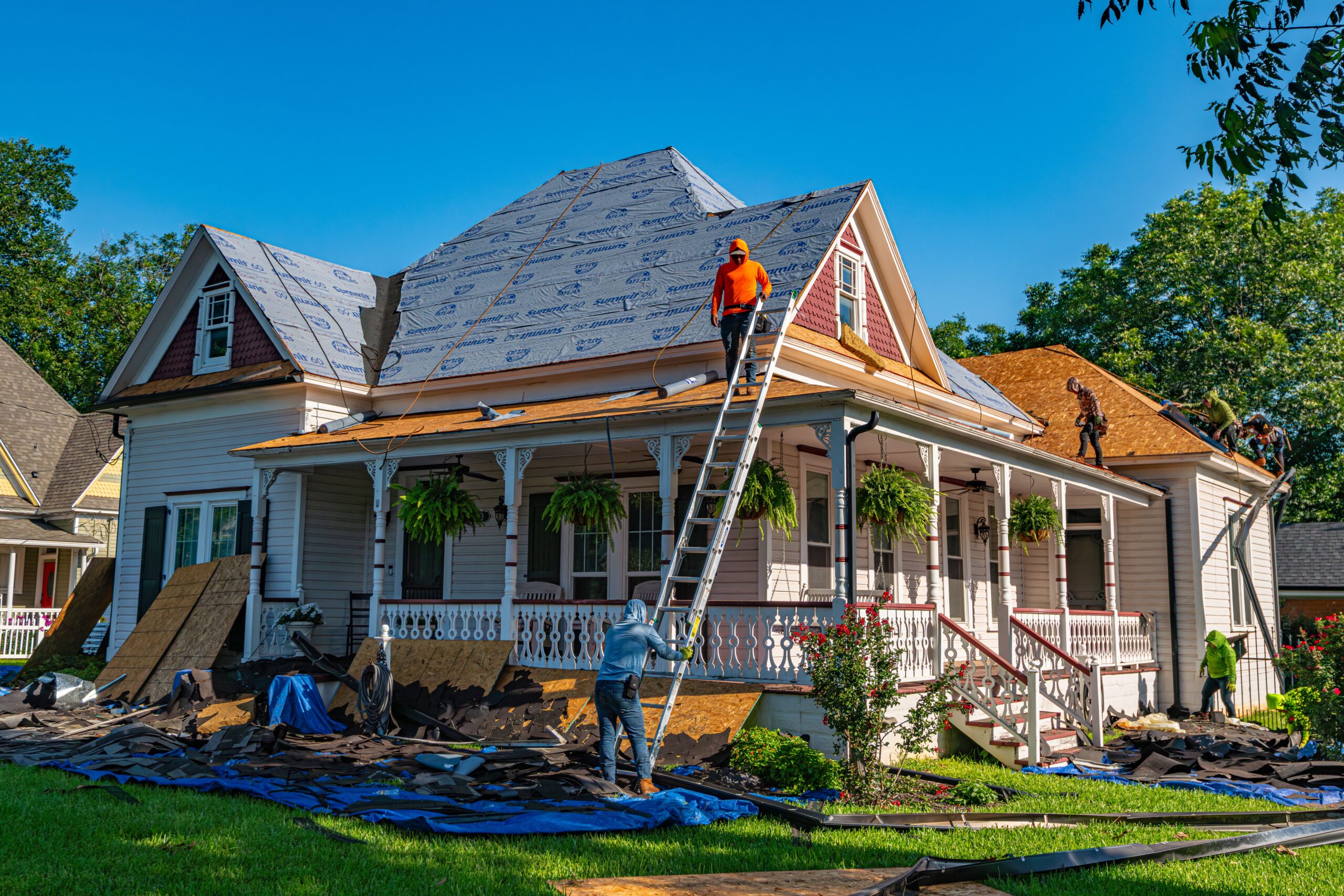
Most homeowners think about siding when they notice fading colors or visible damage. However, siding serves a much larger purpose than making a house look attractive. It helps regulate indoor comfort, protects structural materials, and acts as the first line of defense against changing weather conditions. Because of this, recognizing when a siding replacement is needed can have a significant impact on the health and performance of your home.
The challenge is that siding problems do not always announce themselves with obvious cracks or missing panels. In many cases, the warning signs are subtle and develop gradually over time. Understanding these clues can help you determine when replacement becomes the smarter choice.
Your Home No Longer Feels as Comfortable as It Once Did
One of the less obvious signs that siding may be reaching the end of its usefulness is a change in indoor comfort. If certain rooms feel colder during winter or warmer during summer than they did in previous years, the exterior of your home could be contributing to the issue.
As siding ages, its ability to help shield your home from outdoor temperatures can diminish. Small openings and weakened materials may allow outdoor air to influence indoor conditions more easily. While many homeowners first suspect their HVAC system, the problem sometimes begins with the home’s outer shell.
When comfort becomes harder to maintain despite normal heating and cooling operation, it may be worth evaluating the condition of the siding.
Small Repairs Are Becoming a Routine Habit
Occasional repairs are expected with any exterior material. The problem arises when those repairs become part of a recurring cycle.
Perhaps one section needs attention this season, followed by another area a few months later. At first, the expenses seem manageable. Over time, however, the repeated cost of labor and materials begins to add up.
A useful question to ask is whether repairs are solving the problem or simply postponing it. If you constantly find yourself addressing new issues, a siding replacement may offer a more permanent and economical solution.
The Exterior No Longer Reflects the Condition of the Home
Many homeowners invest in interior renovations, updated landscaping, and modern roofing while overlooking aging siding. Eventually, the contrast becomes noticeable.
Even if the home’s structure remains sound, outdated or deteriorated siding can make the property appear older than it actually is. This matters not only for curb appeal but also for property value.
A siding replacement can create visual consistency between the home’s appearance and the improvements made elsewhere. Rather than functioning as a cosmetic upgrade alone, it helps present the property as well-maintained and cared for.
Moisture Seems to Linger Around the Exterior
Siding is designed to help water move away from the structure efficiently. When it begins to fail, moisture may remain trapped where it should not.
You might notice areas that stay damp long after rainfall, signs of mildew along exterior walls, or sections that appear swollen and uneven. These conditions suggest that water management is no longer working as intended.
Moisture issues are particularly important because they often develop quietly. By the time significant damage becomes visible, the underlying materials may have already been affected. Replacing siding before moisture problems advance can help preserve the home’s structural integrity.
Your Home Has Experienced Years of Harsh Weather
Not all siding ages at the same rate. A home exposed to strong sunlight, heavy rain, freezing temperatures, or frequent storms will often experience faster wear than one located in milder conditions.
Even when damage is not immediately visible, years of environmental exposure gradually weaken siding materials. Expansion and contraction caused by temperature fluctuations can create stress that accumulates over time.
If your home has endured many seasons of extreme weather, it may be worth considering whether the siding is still providing the protection it once did.
You Want to Improve Long-Term Efficiency
Homeowners often focus on immediate repairs while overlooking opportunities for future savings. A siding replacement can be one of those opportunities.
Many modern siding products are engineered with improved performance in mind. Combined with updated insulation strategies, new siding can help create a more energy-efficient home envelope.
The benefit is not limited to utility bills. Improved efficiency can also contribute to more consistent indoor temperatures and reduce strain on heating and cooling equipment.
Looking at siding as part of your home’s overall performance rather than just its appearance often changes the way replacement is viewed.
The Home Is Preparing for Its Next Chapter
Major life events frequently inspire homeowners to evaluate the condition of their property. Some may be preparing to sell, while others plan to remain in the home for decades.
In either case, siding plays an important role. Prospective buyers often notice exterior condition before anything else, and long-term homeowners benefit from improved protection and reduced maintenance needs.
A siding replacement can support future goals by helping the home remain attractive, functional, and resilient for years ahead.
Aging Materials Are Limiting Your Options
Older siding materials can become increasingly difficult to match when repairs are needed. Manufacturers may discontinue certain colors, styles, or product lines, making seamless repairs almost impossible.
As a result, patched areas may stand out visually and create an inconsistent appearance. When matching existing materials becomes challenging, replacement can provide a cleaner and more unified result.
Instead of working around outdated products, homeowners gain access to modern materials designed to meet current performance and design expectations.
Replacement Is About Prevention, Not Just Repair
Many people assume siding replacement is only necessary after severe damage occurs. In reality, some of the best replacement decisions happen before major problems develop.
Waiting until water intrusion, structural damage, or widespread deterioration appears can increase costs and complicate repairs. Taking action earlier allows homeowners to address concerns proactively rather than reactively.
This preventive approach often protects both the home and the budget in the long run.
Final Thoughts
Knowing when to schedule a siding replacement involves more than spotting visible damage. Changes in comfort, recurring repairs, moisture concerns, weather exposure, and long-term home goals can all indicate that your siding is no longer performing at its best.
By viewing siding as an essential part of your home’s protection system rather than simply an exterior finish, you can make informed decisions about when replacement makes sense. The right timing can enhance durability, improve efficiency, and help ensure your home remains prepared for whatever the future brings.
