


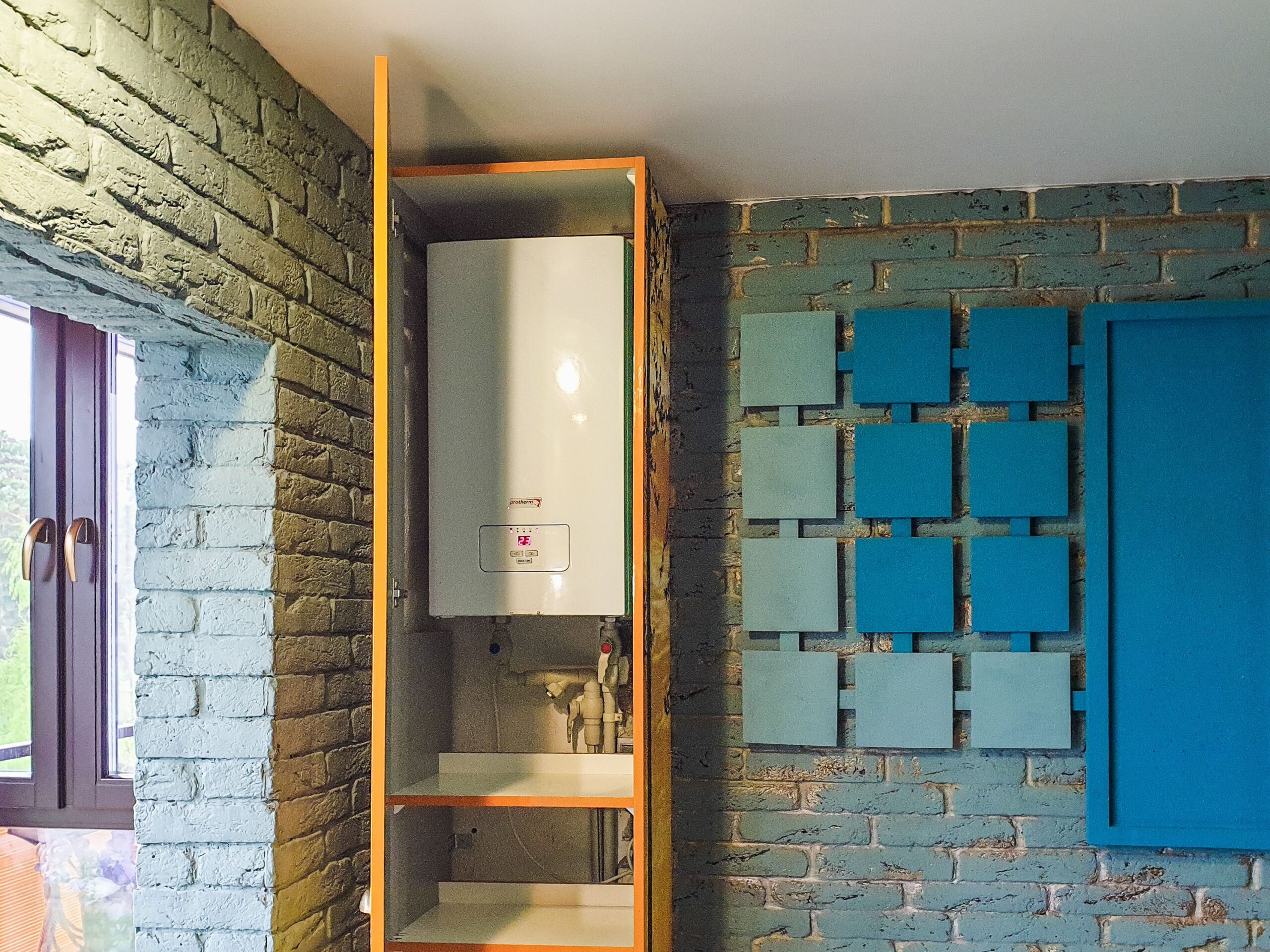
A heating system is a long-term investment in your home. While homeowners often focus on how effectively a new system heats the house immediately after installation, the quality of the installation can continue to affect comfort, energy use, maintenance, and indoor conditions for years.
A properly selected and installed heating system should work with the home’s layout, insulation, ventilation, and energy requirements. Taking the time to plan the installation carefully can help prevent avoidable problems and support reliable performance throughout the system’s service life.
Long-Term Energy Efficiency
One of the biggest ways a heating installation can affect a home is through energy consumption. A heating system that is appropriately sized for the property can provide the necessary warmth without constantly operating beyond what the house requires.
However, efficiency depends on more than the equipment itself. Poor connections, inadequate ductwork, restricted airflow, or incorrect installation can prevent a system from performing as intended. Even an efficient heating unit may use more energy than expected if other parts of the system are not properly configured.
Professional installation can help ensure that the equipment operates according to its specifications and that the surrounding components support efficient performance.
Consistent Indoor Comfort
A heating system should do more than raise the temperature. It should distribute warmth throughout the home in a reasonably consistent manner.
An installation that does not account for the home’s size, room arrangement, insulation, or existing ductwork may contribute to uneven temperatures. Some rooms might become noticeably warmer than others, leading homeowners to adjust the thermostat repeatedly.
A properly planned installation can help create more consistent conditions throughout the property. This can become increasingly noticeable over the years as the system continues to operate through multiple heating seasons.
Reduced Wear and Tear
The way a heating system is installed can influence how hard it has to work. When airflow is restricted or equipment is incorrectly configured, the system may cycle more frequently or operate for longer periods than necessary.
Additional strain can contribute to wear on components over time. While every heating system will eventually require maintenance and replacement parts, proper installation may help reduce unnecessary stress caused by installation-related problems.
Regular maintenance remains important. Filters should be replaced or cleaned as recommended, and the system should be inspected periodically to identify developing issues before they become more serious.
Better Indoor Air Quality
Heating systems can also influence the quality of the air circulating throughout a home. Forced-air systems move air through ductwork, meaning the condition of the equipment, filters, and ducts can affect what is circulated indoors.
A well-planned installation should consider appropriate filtration and airflow. Poorly sealed ductwork, for example, may affect system performance and allow unwanted particles or contaminants to enter the airflow in certain circumstances.
Maintaining clean filters and keeping the system in good working condition can support healthier indoor air conditions while helping the equipment operate efficiently.
Protecting Your Home From Moisture Issues
Heating systems affect more than temperature. They can also influence indoor humidity and the overall balance of conditions within a house.
Excessively dry indoor air during colder months may cause discomfort and can affect certain materials, furnishings, or wood components. On the other hand, excessive moisture can contribute to condensation and other household problems.
The appropriate humidity level depends on the home’s conditions and climate. A properly designed heating system, combined with appropriate ventilation and humidity management, can help maintain a more comfortable indoor environment.
Maintenance Costs Over Time
The initial installation price is only one part of the cost of owning a heating system. Homeowners should also consider maintenance, repairs, energy consumption, and eventual replacement.
An installation that uses compatible components and follows manufacturer requirements may make future servicing more straightforward. Conversely, unusual configurations or poor installation practices can complicate repairs and potentially increase service costs.
Before installation, ask about recommended maintenance schedules, replacement parts, warranties, and service requirements. Understanding these responsibilities can make it easier to budget for the system over its lifespan.
Impact on Your Home’s Infrastructure
Installing a new heating system may involve more than replacing one piece of equipment. Depending on the type of system, the project could involve electrical connections, gas lines, ductwork, ventilation, controls, or other components.
These elements need to work together safely and appropriately. An installation that does not account for the existing infrastructure may create problems later when components need to be repaired or replaced.
Planning the installation around the home’s current systems can help ensure that future maintenance does not become unnecessarily complicated.
Potential Effect on Property Value
A functional and modern heating system can be an appealing feature when a home is eventually sold. Buyers may consider the age, condition, efficiency, and maintenance history of major mechanical systems when evaluating a property.
Keeping installation records, service documentation, warranties, and information about the equipment can therefore be useful. These records provide future homeowners with a clearer picture of how the system has been maintained.
While a heating system alone will not determine a property’s market value, a well-maintained system can contribute to the overall condition and functionality of the home.
Choosing the Right System for the Future
Not every heating system is appropriate for every property. Home size, insulation, climate, existing infrastructure, budget, and household preferences can all influence which option makes sense.
Choosing equipment based solely on its capacity or initial price may overlook important long-term considerations. A heating professional can evaluate the property and help determine what type and size of system is appropriate.
The installation itself deserves the same attention. Even high-quality equipment may perform poorly if it is incorrectly sized, connected, or configured.
Plan for Long-Term Performance
A heating installation is not simply a one-day home improvement project. Its effects can continue through years of heating seasons, influencing comfort, energy use, maintenance needs, and the condition of the home’s supporting systems.
Before moving forward, consider the equipment’s efficiency, installation requirements, maintenance needs, compatibility with your home, and expected lifespan. Investing in careful planning and quality installation can help your heating system perform reliably while reducing the likelihood of avoidable problems.
When homeowners think beyond the immediate installation and consider how the system will function years into the future, they can make decisions that support a more comfortable, efficient, and manageable home.
