


When consumers browse the dairy aisle at a local supermarket, the cardboard cartons and plastic jugs all look relatively similar on the outside. Most shoppers notice standard government stamps indicating basic pasteurization and safety requirements have been met. However, these baseline federal regulations represent the bare minimum threshold required to legally sell milk to the public. For multi-generational operations, meeting the baseline is never the ultimate goal.
Independent processors approach daily operations with a personal responsibility that large conglomerates cannot replicate. Family pride drives these smaller facilities to look beyond basic compliance and prioritize genuine craftsmanship. This dedicated focus on production details fundamentally improves the flavor and quality of the milk on your breakfast table.
Establishing Stricter Controls at the Sourcing Farms
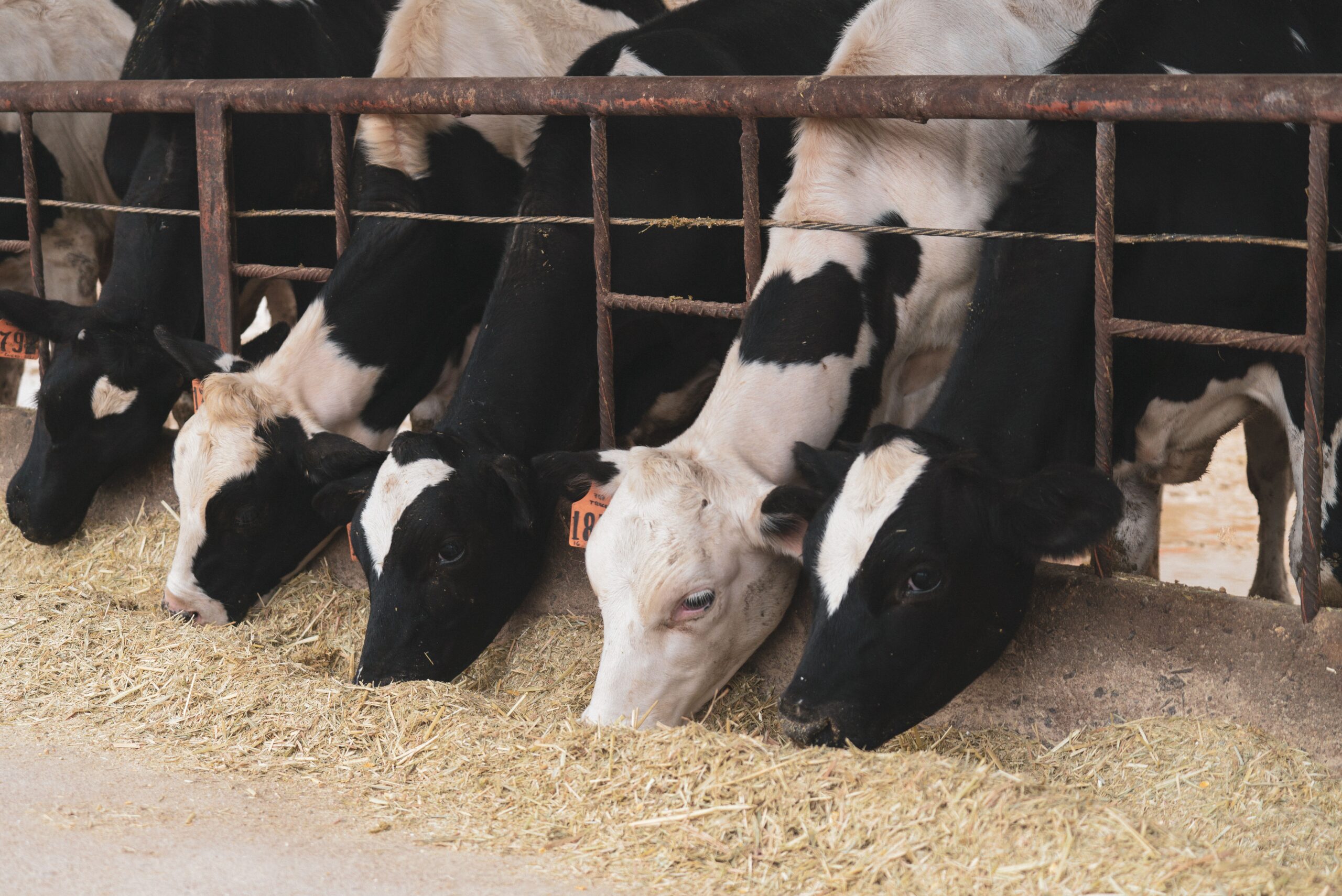
Superior dairy processing begins long before the raw milk ever reaches a stainless steel holding tank at the main facility. Family operations work in close partnership with a select handful of local farms where cow health and comfort are prioritized. These farmers know that comfortable, stress-free animals produce milk with a naturally sweeter flavor profile.
Massive industrial networks often pool milk from hundreds of separate facilities, making individual quality control nearly impossible to enforce. Smaller local networks monitor the specific diet and daily welfare of every herd on their route.
This close relationship at the agricultural level ensures that only the highest grade of raw ingredients enters the bottling line. Taking extra care at the farm level ultimately creates a vastly superior product for the consumer. Prioritizing the welfare of the animals directly influences the premium quality of the dairy found on local grocery shelves.
Prioritizing Smaller Batches to Protect Natural Flavor
Industrial processing plants move massive volumes of liquid quickly to maximize corporate profits. This high-speed environment relies on aggressive techniques that can fracture delicate fat molecules in fresh cream. When these components are broken down too violently, the milk loses its characteristic velvety texture.
Regional family operations choose to process their inventory in smaller batches to handle the delicate ingredients with care. Sourcing from a trusted local brand like Guernsey Farms Dairy guarantees that the milk undergoes a gentle pasteurization process that preserves the authentic farmhouse taste. This deliberate choice to slow down production allows the natural sweetness of the cream to shine through without relying on artificial additives.
Monitoring Every Processing Stage with Personal Oversight
While corporate hubs rely entirely on automated valves to manage inventory, automation lacks the nuanced eye of an experienced human operator who understands seasonal variations in milk butterfat. To accommodate these natural changes, technicians at a family plant manually adjust equipment throughout the day and sample the product frequently during the bottling run to ensure a consistent body and clean mouthfeel. This hands-on management style catches minor imperfections before containers are packed into delivery trucks, preserving a level of quality that automated factories miss.
Maintaining the Cold Chain to Extend Freshness
The journey from the processing floor to the local grocery store shelf is a critical window where product quality can easily degrade. Temporary fluctuations in storage temperature allow spoilage bacteria to multiply and shorten the milk’s shelf life. Industrial logistics networks often involve multiple cross-docking warehouses and long transit times across state lines, increasing these risks.
Independent dairies manage this risk by operating their own local distribution fleets to deliver products directly to area retailers. Minimizing the number of times a crate is transferred between refrigerated spaces keeps the temperature completely stable. By maintaining total control over the delivery route, these local operations prevent the subtle product spoilage that often happens during long corporate transit legs.
This swift distribution network means the consumer receives a fresher product that stays sweet in the home refrigerator for a longer duration. Cutting out the middleman ensures that the dairy goes from the farm to the table in the shortest time possible.
Protecting the Integrity of Premium Specialty Desserts
The exact same commitment to rigorous quality control carries over into the creation of small-batch ice cream and heavy whipping creams. Mass-market manufacturers often pump excess air into their ice cream mixtures to inflate the volume of the container cheaply. This cost-cutting measure results in a fluffy, fast-melting dessert that lacks a truly satisfying mouthfeel.
Traditional processors keep air inclusion to an absolute minimum to create a dense, luxurious treat. They source real cane sugar and pure vanilla extracts rather than relying on corn syrup and chemical flavorings. Taking time to properly age the cream base before churning creates an unmatched velvety texture that sets local dairy shops apart from national chains.
Conclusion
Standard government grading systems provide a necessary safety shield for the general food supply, but they do not measure true craftsmanship. Family-owned dairy operations continue to thrive because they view processing as an art form rather than a simple commodity business. By investing in better farming relationships, smaller production batches, and careful temperature management, these independent facilities consistently deliver an elevated product that consumers can genuinely taste.
