


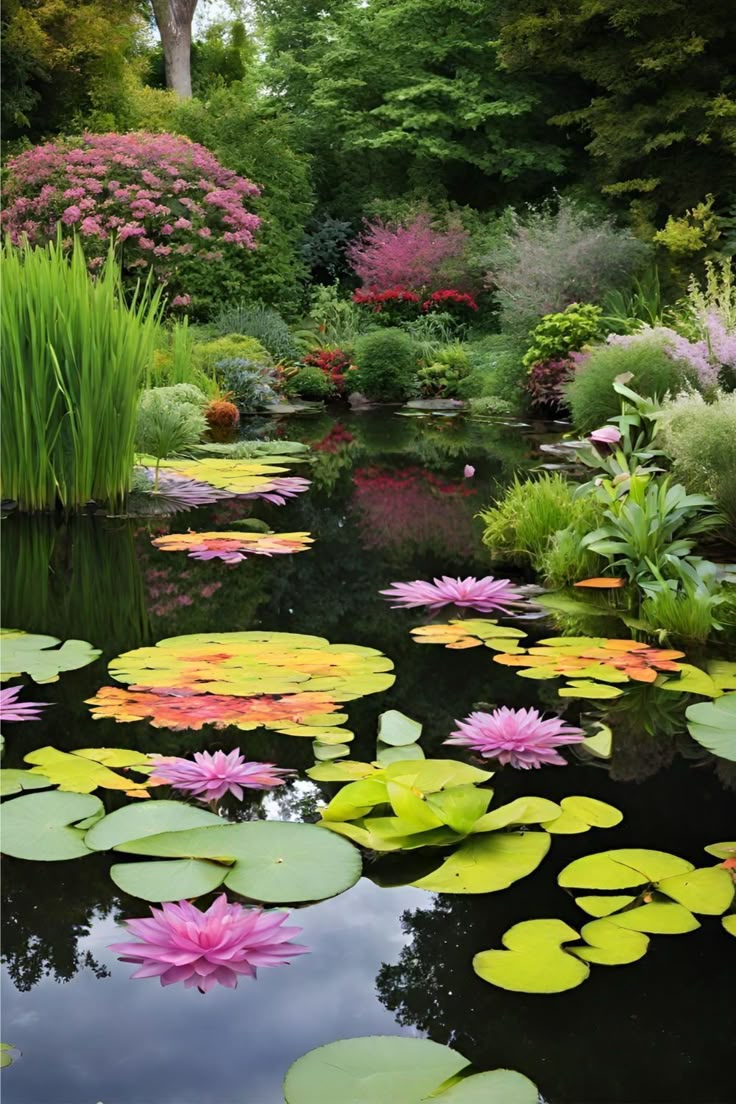
A healthy pond is more than just a beautiful outdoor feature; it is a small ecosystem where plants, water, microorganisms, and aquatic animals work together. Pond plants play a vital role in maintaining balance by naturally filtering water, providing shelter, and creating a suitable environment for aquatic life. Understanding How Pond Plants Improve Water Quality and Support Aquatic Life can help pond owners create cleaner, healthier, and more sustainable water environments.
The Role of Pond Plants in Natural Water Filtration
One of the most important benefits of pond plants is their ability to improve water quality through natural filtration. Plants absorb excess nutrients such as nitrogen and phosphorus from the water, which helps reduce algae growth and prevents cloudy or unhealthy pond conditions.
The roots of aquatic plants also provide a surface where beneficial bacteria can grow. These bacteria break down organic waste from fish, fallen leaves, and other materials, helping keep the pond cleaner and maintaining a balanced ecosystem.
Pond Plants Increase Oxygen Levels
Aquatic plants contribute to oxygen production through photosynthesis. During daylight hours, they release oxygen into the water, which is essential for fish, insects, and other aquatic organisms. Adequate oxygen levels help support healthy aquatic communities and reduce the risk of harmful conditions caused by stagnant water.
Floating plants, submerged plants, and marginal plants each contribute differently to oxygen balance. Submerged plants, in particular, are highly effective at releasing oxygen directly into the water where aquatic animals need it most.
Providing Shelter and Food for Aquatic Life
Pond plants create important habitats for many forms of aquatic life. Fish use plant areas as hiding places to protect themselves from predators, while insects and small organisms rely on plants for shelter and breeding areas.
Plants also support the food chain by attracting microorganisms and insects that become natural food sources for fish and other pond inhabitants. A pond with diverse plant life can support a wider variety of species and maintain a stronger ecological balance.
Controlling Algae and Maintaining Clear Water
Too many nutrients in a pond can lead to excessive algae growth, which can harm water quality and reduce oxygen levels. Pond plants compete with algae by absorbing the same nutrients needed for growth. This natural competition helps limit algae blooms and keeps the water clearer.
Choosing the right combination of aquatic plants can improve the overall appearance of a pond while creating better living conditions for fish and other organisms.
Choosing the Right Plants for a Healthy Pond
Different types of pond plants provide different benefits. Floating plants help provide shade and reduce sunlight that encourages algae growth. Submerged plants oxygenate the water, while marginal plants around the pond edges help filter runoff and provide habitat.
When selecting plants, it is important to consider the size of the pond, local climate, and the needs of existing aquatic life. A balanced selection of plants can make the pond more attractive and easier to maintain.
Creating a Sustainable Aquatic Environment
The relationship between plants and aquatic life is essential for a thriving pond ecosystem. By improving filtration, increasing oxygen, and providing shelter, plants help create a stable environment where fish and other organisms can flourish.
Learning How Pond Plants Improve Water Quality and Support Aquatic Life allows pond owners to make informed choices that benefit both the appearance and health of their water feature. With the right plants and proper care, a pond can become a natural, balanced habitat that supports life for years to come.
