


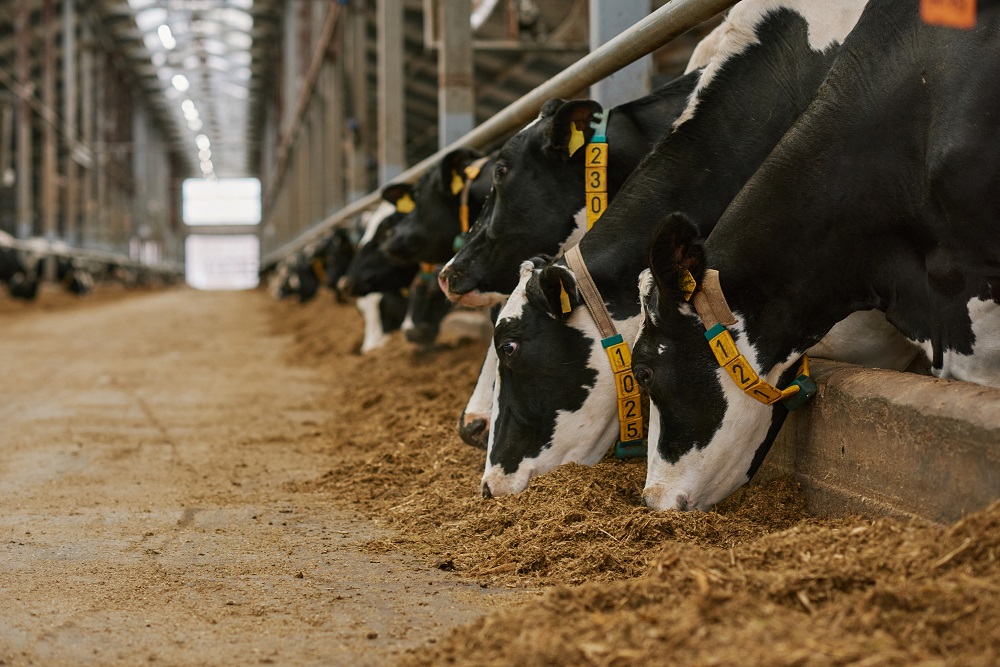
Keeping cattle and livestock healthy starts with a balanced diet, fresh water, suitable housing, and consistent care. Even with good feed and forage, an animal’s nutritional needs can shift as it grows or responds to changes in its daily routine and environment. Supplements can help address nutritional gaps when the regular diet falls short. They may provide vitamins, minerals, protein, or other nutrients that support overall health and daily function.
The right supplement should complement the existing diet rather than replace quality feed. Understanding what the herd already receives can help guide better nutritional choices and avoid unnecessary supplementation. Here are seven ways appropriate supplementation can support healthier cattle and livestock.
Helps Fill Nutritional Gaps
Pasture and feed provide many of the nutrients livestock need, but their nutritional value can change over time. The quality of what animals consume may be affected by seasonal changes and other conditions, which can create nutritional gaps in the diet. Supplements can help provide nutrients that may be limited in available feed or forage, especially when pasture quality is lower.
Vitamins and minerals are important for maintaining a balanced diet and supporting normal body functions. Providing them in appropriate amounts can help keep nutrition more consistent across the herd. Supplements are not meant to replace quality feed, but they can work alongside a good diet to help meet the nutritional needs of livestock.
Supports Healthy Growth and Development
Young cattle and other livestock have nutritional needs that change as they grow. Adequate protein, minerals, vitamins, and energy are important for normal development. A nutritional shortage during growth can affect an animal’s ability to reach its full potential. Supplements can provide additional nutrients when the regular diet does not fully meet these needs. This can be particularly helpful when animals are growing quickly or forage quality is limited. Consistent nutrition also helps producers maintain a more predictable feeding program. A balanced approach can support healthy development from an early age.
Provides Important Vitamins and Minerals
Vitamins and minerals support many essential processes within an animal’s body. The right amount can vary based on the animal’s overall diet and its nutritional needs at a particular stage of life. Forage may not always provide enough of certain nutrients, making supplementation useful in some situations.
A well-chosen supplement can help provide nutrients that are limited in the existing diet. However, more is not always better, as excessive amounts of certain nutrients can also cause health concerns. Working with a veterinarian or livestock nutrition professional can help determine what supplementation is appropriate.
Supports Reproductive Health
Good nutrition plays an important role in reproductive health and overall condition. When an animal’s diet does not provide enough nutrients, it can affect its ability to maintain the condition needed for normal reproductive function.
A balanced feeding program can help support breeding livestock through periods when their nutritional demands are higher. Supplements may be useful when the existing diet does not fully meet those needs, particularly when feed quality or availability changes. Providing consistent nutrition can also help animals maintain the energy and body condition needed throughout the breeding process.
Maintaining proper body condition contributes to a healthy breeding program and can support the overall well-being of breeding animals. Good nutrition works best alongside appropriate breeding management and consistent animal care, giving livestock a stronger foundation for healthy reproduction and long-term performance.
Helps Maintain Body Condition
Body condition can provide useful insight into whether livestock are receiving adequate nutrition. Animals that are losing too much weight may not be getting enough energy or nutrients from their current diet. Supplements can provide additional nutritional support when feed quality or availability changes. This can be particularly important during seasonal changes, periods of increased demand, or other challenging conditions. Maintaining a healthy body condition can also support an animal’s ability to handle normal physical demands. However, supplementation should be part of a broader feeding strategy rather than the only solution. Regularly observing animals can help producers recognize changes that may require adjustments to their diet.
Supports Livestock During Nutritional Stress
Livestock can experience periods when their nutritional requirements increase or their access to quality forage decreases. Changes in weather, transportation, production demands, or pasture conditions can affect an animal’s nutritional intake. During these times, a properly selected supplement can help provide additional nutrients. For example, cattle may require different nutritional support during periods of poor forage availability than they do when high-quality pasture is abundant.
Supplements should be selected according to the specific circumstances rather than used as a one-size-fits-all solution. Products from different livestock nutrition resources like True North Technologies can be considered as part of an overall feeding strategy. These products can help support the herd when its usual diet does not fully meet changing nutritional needs. Used alongside quality feed and proper care, supplementation can help maintain more consistent nutrition during challenging periods.
Complements a Consistent Feeding Program
A good livestock nutrition program is about more than simply adding a supplement to the feed. Animals benefit from consistency in their overall diet and suitable living conditions. Supplements can complement these essentials by helping provide nutrients that may be missing or insufficient in the regular ration. A consistent approach also makes it easier to monitor how animals respond to changes in their diet. Producers can work with a veterinarian or qualified nutritionist to determine what supplementation makes sense for their herd. With thoughtful planning, supplementation can become one useful part of maintaining healthy cattle and livestock.
Conclusion
Supplements can serve a practical purpose when cattle and livestock need additional vitamins, minerals, protein, or other nutrients. Their value depends on the animal’s existing diet and individual nutritional requirements. Before introducing a new supplement, consider the quality of the available forage and feed as well as the needs of the animals receiving it. Professional guidance can help prevent unnecessary supplementation or excessive nutrient intake. Good nutrition should also be paired with clean water and appropriate veterinary care. When these elements work together, producers can create a more complete approach to supporting livestock health and well-being.
