



The Segway SX10 is built for off-road driving, but getting the most from a side-by-side involves more than engine output. Trail conditions, tire setup, suspension performance, drivetrain selection, steering response, and regular maintenance all influence how a vehicle behaves on uneven terrain. Treal Performance focuses on performance solutions for off-road vehicles, making these considerations especially relevant when evaluating the right setup.
Whether you ride rocky trails, loose dirt, muddy sections, or a combination of surfaces, understanding these factors can help you make more informed decisions about setup and performance. The goal is not simply to add more power but to create a vehicle that responds predictably to the conditions you encounter.
Start With the Right Tire Setup
Tires are one of the few parts of a side-by-side that directly contact the ground, making them an important part of trail performance. The appropriate tire type and pressure can influence traction, steering response, braking, and how the vehicle handles uneven surfaces.
Before changing other components, check the condition and pressure of the tires. Running pressure that is too high or too low for the intended application can change how the tire contacts the terrain.
Consider:
- The type of terrain you ride most often
- Tire tread and overall condition
- Recommended pressure for your tires
- The balance between traction and steering response
- Whether the tire and wheel combination is compatible with the vehicle
A tire change can also affect other areas of the vehicle, so larger or heavier combinations should be considered alongside suspension, gearing, and clearance.
Evaluate the Segway SX10 Suspension
Suspension plays a major role when a side-by-side travels across bumps, ruts, rocks, and other uneven surfaces. The suspension system allows the wheels to move in response to terrain while helping maintain contact with the ground.
The Segway SX10 uses independent suspension, which allows the wheels to respond more independently to changes in terrain. This can help the vehicle handle surfaces where each wheel encounters a different obstacle.
When evaluating suspension performance, pay attention to:
- Ride height and ground clearance
- Suspension travel
- Spring characteristics
- Damping
- Alignment
- Signs of worn or damaged components
If the vehicle feels unstable, bottoms out frequently, or responds poorly to repeated impacts, inspecting the suspension can help identify whether maintenance or a different setup is appropriate.
Use the Drivetrain According to the Terrain
The ability to select between two-wheel drive and four-wheel drive gives the Segway SX10 flexibility across changing trail conditions.
Two-wheel drive may be suitable when the surface provides adequate traction. Four-wheel drive can be useful when additional traction is needed, such as on loose, muddy, rocky, or uneven terrain.
However, selecting four-wheel drive does not replace proper throttle control or an appropriate approach to obstacles. Tire condition, terrain, vehicle speed, and driver input all continue to affect traction.
Understanding the drivetrain before riding challenging terrain can help you choose the appropriate setting instead of waiting until traction becomes difficult to manage.
Consider Steering and Handling
Off-road trails can require frequent steering corrections. Rocks, ruts, changes in elevation, and uneven surfaces can all influence the direction of a side-by-side.
Electronic power steering can reduce steering effort, but overall handling depends on more than the steering system itself. Tire selection, tire pressure, suspension geometry, alignment, and vehicle load can all affect steering feel.
After changing suspension or wheel and tire components, check whether the modifications have altered alignment or steering behavior. A setup that looks effective on paper still needs to provide predictable control on the terrain where the vehicle will actually be used.
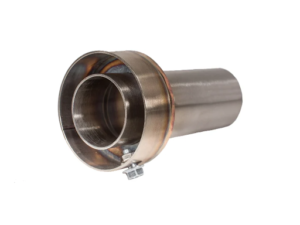
Look at Engine Performance as a Complete System
Engine performance is another factor to consider, particularly when riding conditions require frequent acceleration or climbing. However, focusing only on peak power can overlook other factors that influence how the vehicle performs on a trail.
The Segway SX10 uses a 1,000cc twin-cylinder engine with electronic fuel injection. Fuel delivery, throttle response, gearing, drivetrain behavior, and available traction all contribute to how effectively engine output reaches the ground.
Before considering engine-related modifications, make sure the existing system is properly maintained. A restricted air filter, worn component, or other maintenance issue can affect performance without requiring a performance upgrade.
Match Performance Upgrades to Your Riding
There is no single setup that suits every trail or riding style. A vehicle used primarily on technical terrain may have different requirements from one driven on faster, open trails.
Before choosing an aftermarket upgrade, ask:
- What limitation am I trying to address?
- What type of terrain do I ride most often?
- Will the modification affect another vehicle system?
- Is the component compatible with my specific SX10 configuration?
- Does the vehicle require supporting modifications?
This approach can prevent unnecessary modifications and help you build a setup around actual riding needs.
For example, a rider struggling with suspension behavior may benefit more from addressing suspension components than from adding engine power. Similarly, a rider experiencing traction limitations may need to look at tires and drivetrain use before changing the engine.
Maintenance Is Part of Trail Performance
Performance modifications cannot compensate for neglected maintenance. Before and after riding, inspect the components that affect safety and vehicle operation.
A practical inspection can include:
- Tire pressure and tread condition
- Brake components
- Steering components
- Suspension components
- Engine fluids
- Air filter
- Drivetrain components
- Fasteners and mounting points
- Electrical connections
Pay attention to changes in handling, unusual noises, fluid leaks, or changes in engine response. Addressing these issues early can help prevent a small maintenance concern from becoming a larger problem.
Build the Segway SX10 Around the Trail
Improving the Segway SX10 for trail use is not necessarily about making every component more aggressive. Effective performance comes from tuning the vehicle’s systems to the terrain and riding conditions.
Start with the basics: tires, suspension, drivetrain settings, steering, and maintenance. From there, identify specific limitations and consider compatible upgrades that address those needs.
A thoughtful approach can provide a more balanced setup while helping you avoid modifications that do not contribute to the way you actually ride. For more information about Segway SX10 performance solutions and aftermarket options, visit the website to learn more about available products and services.
Apex Offroad
11483 W Fairview Ave, Boise, ID 83713
Phone: (208) 500-9476
Website: https://www.apexoffroadidaho.com/
