


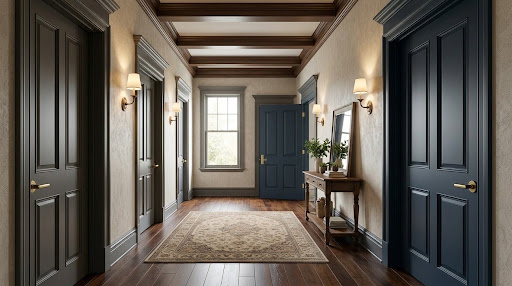
Older homes have a charm that new construction often struggles to match. High ceilings, solid walls, interesting proportions, and original details give them personality and history. But living in an older property also comes with compromises. Layouts may feel dated, rooms can seem dark, and original doors may be worn, drafty, or simply out of step with how people live today.
Updating interior doors is one of the most effective ways to modernize an older home. Done carefully, it can refresh the entire interior without erasing what made the property special in the first place.
Why Doors Are a Smart Place to Start
Unlike major structural changes, replacing or upgrading doors usually doesn’t require reconfiguring walls or plumbing. Yet the visual impact can be significant. Because doors appear in nearly every room, changing them alters the character of the whole home at once.
New doors can also solve practical problems. Older doors may have warped over time, stick in their frames, or let sound and drafts pass through easily. Modern construction and accurate fitting can improve comfort as well as appearance.
Balancing Old and New
The challenge in older homes is finding the right balance. Ultra-minimal doors can sometimes feel out of place next to ornate cornices and traditional moldings. On the other hand, copying historical styles too closely may prevent the home from feeling refreshed.
Respecting Proportions
Older homes often have taller ceilings and distinctive room proportions. Doors that respect these proportions look more natural. Taller doors, for example, can emphasize ceiling height and make rooms feel grand, while undersized doors may look awkward in generous spaces.
Simplifying Without Stripping
A popular approach is to choose doors with simplified detailing. Shaker-style panels, slim moldings, or subtle grooves can nod to traditional architecture while still feeling clean and current. This bridges the gap between historic character and modern living.
Keeping Original Features Where Possible
Some older homes have doors of genuine architectural or historical value. Where original doors are in good condition and meaningful to the home’s character, restoring them may be a better choice than replacing them. In other areas, new doors can be introduced to bring a contemporary touch.
Dealing With Irregular Openings
One of the most common difficulties in older homes is that door openings rarely match modern standard sizes. Walls may not be perfectly straight, frames may have shifted over the decades, and each opening can differ slightly from the next.
This is a key reason many renovators choose Custom Modern Doors when updating older interiors. Doors made to the actual dimensions of each opening fit properly, operate smoothly, and allow a contemporary design to sit naturally within an older architectural framework, without forcing major changes to the existing structure.
Frames and Trim
Replacing doors may also mean reconsidering frames and trim. Some homeowners keep original architraves for character, while others choose slimmer modern profiles for a cleaner look. Either way, consistency throughout the home matters.
Introducing Contemporary Elements Carefully
Modernizing doesn’t have to mean the same style everywhere. A few thoughtful contemporary touches can transform an older home while keeping its soul intact.
Glass doors can bring light into darker hallways and interior rooms, a common issue in older properties.
Sliding or pocket doors can open up small, separate rooms, creating a more connected layout without removing walls entirely.
Concealed doors can make a modern statement in spaces where traditional details are less prominent, such as newly converted lofts or extensions.
Contemporary hardware on more traditional doors offers a subtle way to update the look while keeping the original style.
Elevating the Interior With Quality Craftsmanship
Older homes were often built with solid materials and careful workmanship, so new elements should meet a similar standard. Lightweight or poorly finished doors can feel out of place next to substantial walls and original details.
Italian design is admired for its ability to combine timeless proportion with modern precision. Many Italian doors use premium materials, refined finishes, and technical features like hidden hinges, creating a sense of quality that sits comfortably in characterful homes. For homeowners blending heritage architecture with a sophisticated contemporary interior, Luxury Interior Italian Doors can offer that balance of craftsmanship and modern elegance.
Practical Tips for a Smooth Update
- Assess each opening: Check frames, walls, and floors for unevenness before ordering doors.
- Think about sound: Older homes can be surprisingly noisy where floors and walls have settled. Solid-core doors and proper seals help.
- Plan the sequence: If floors are being replaced, consider finishing them before installing doors so clearances are correct.
- Check local requirements: Some older or listed properties may have restrictions on changes. It’s worth confirming before making significant alterations.
- Work with experienced installers: Fitting doors in older buildings requires skill and patience, since few openings are perfectly square.
Creating a Cohesive Result
The most successful renovations feel as though the old and new elements belong together. Repeating colors, finishes, and hardware across the home helps achieve this. You might choose a single door style for all main rooms and reserve a more distinctive design for a key location, like the entrance to the living room or a home library.
Lighting also plays a role. Well-placed lighting can highlight beautiful door finishes and original architectural features alike, bringing the whole interior together.
Conclusion
Updating interior doors is one of the most rewarding ways to modernize an older home. With careful attention to proportion, fit, and craftsmanship, new doors can bring comfort, light, and a fresh contemporary feel while still honoring the history and character of the property. The result is a home that feels both rooted in its past and ready for modern living.
