


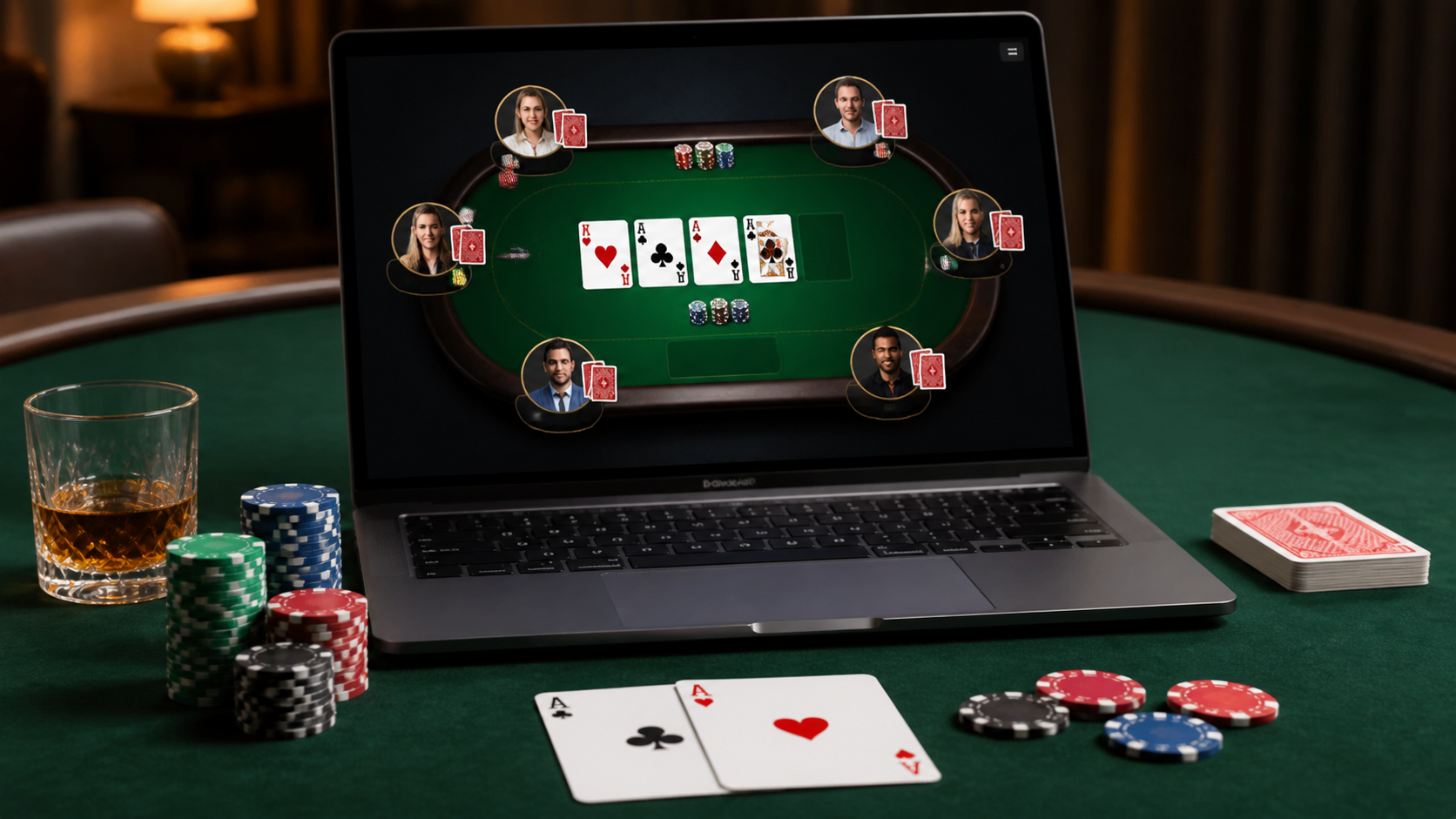
Texas poker online has become one of the most familiar ways for players to enjoy poker without sitting at a physical table. It offers the same core decision-making, but the pace, layout, and experience can feel very different from live play. For many players, that difference is what makes the format appealing: it can be easier to find games, compare table options, and practice at a rhythm that suits personal comfort.
At the same time, the online version of Texas poker asks for a slightly different approach. Good hand selection still matters, but so do timing, table awareness, and a clear understanding of how digital play changes the flow of the game. Whether someone is new to poker or simply trying to sharpen their online habits, a thoughtful approach tends to matter more than flashy moves.
If you want a starting point that fits the subject naturally, texas poker online is often discussed as a format that rewards patience, observation, and consistent decisions rather than impulse.
How Texas Poker Online Differs from Live Poker
The basic hand rankings and betting structure remain the same, but online play changes the experience in several important ways. The most obvious difference is speed. Hands move faster, there is less downtime, and players usually make more decisions in a shorter period. That can be useful for practice, but it can also lead to rushed choices if attention slips.
Another difference is the lack of physical tells. In a live room, players may watch posture, hesitation, or betting rhythm. Online, those clues are reduced, so the focus shifts to betting patterns, timing, and position. That means the game becomes more about structured observation than body language.
Players also tend to face a wider range of styles online. Some tables are cautious and methodical, while others are aggressive and volatile. The ability to adapt matters because a strategy that works well at one table may not fit another. Reading the table dynamic is often one of the most valuable habits a player can build.
What to Look for in a Good Online Poker Experience
Not every online poker setup feels the same, even when the rules are identical. A smooth experience usually depends on usability, game variety, and how comfortably a player can follow the action. A clean interface can make a meaningful difference, especially for players who prefer to focus on strategy rather than navigation.
Game variety also matters. Some players want cash games, while others prefer tournaments or smaller practice tables. The best fit is usually the one that matches both skill level and preferred pace. A player who likes steady decision-making may enjoy one type of table more than another, while someone who prefers larger swings in style might look for a different format.
It also helps to pay attention to table traffic. A table that is easy to join but lacks active play may not be as useful as one with a steady pace and a balanced mix of opponents. The goal is not just to play, but to find a setting where decisions have context and the game feels readable.
Interface and device comfort
A clear layout can reduce mistakes. Buttons should be easy to see, bet sizing should be straightforward, and the flow of the table should not feel cluttered. If a player needs to search for basic controls every hand, focus often suffers. Comfort on desktop or mobile can also affect concentration, so it is worth choosing the setup that feels least distracting.
Table selection and pace
Good table selection is part of playing well. A fast table may suit some players, while others do better in a slower environment where each decision can be reviewed carefully. The right pace is often the one that allows a player to think clearly without feeling pressured by the clock.
Core Skills That Matter Most in Online Play
Texas poker online rewards disciplined fundamentals more than dramatic moves. Players often do better when they focus on a few core skills instead of trying to memorize complex tactics too quickly. Position is one of the most important. Acting later in a hand gives more information, which can help with better judgment about betting, folding, or continuing.
Pot control is another valuable skill. In online games, it can be tempting to build large pots too early, especially when a hand looks strong on the surface. But strong-looking hands can still become vulnerable as community cards appear. Managing pot size carefully can reduce unnecessary risk, particularly against opponents who are willing to apply pressure.
Bet sizing deserves attention as well. Bets that are too small may invite too many callers, while oversized bets can commit a player more than necessary. Thoughtful sizing is not about using a perfect formula every time. It is about matching the size of the bet to the hand, the board, and the likely range of opponents’ responses.
- Play fewer weak hands from early position.
- Pay attention to how often opponents raise versus call.
- Use position to gather information before making bigger commitments.
- Avoid chasing every marginal draw simply because the table is moving quickly.
- Review hands after the session to spot recurring mistakes.
Common Mistakes Players Make at Online Tables
Many players lose value not because they do not understand poker, but because they repeat a few avoidable habits. One common mistake is playing too many hands. Online poker can feel active and continuous, which sometimes encourages loose play. But entering too many pots often leads to difficult decisions later in the hand, especially when the board texture becomes less favorable.
Another frequent issue is reacting too strongly to short-term results. Poker sessions can swing in a way that feels personal, but a few hands do not define the quality of a decision. A player may make a correct fold and still lose in the short run, or make a questionable call and get lucky. The more useful habit is to judge decisions rather than outcomes alone.
Some players also ignore the tendencies of their opponents. A table full of cautious players should be approached differently from one where several players are willing to push aggressively. Failing to adapt can make even decent hands difficult to play effectively. Online poker often rewards the player who notices patterns before others do.
Overplaying strong but fragile hands
Top pair or an overpair can look powerful, but these hands are not invincible. On coordinated boards or against heavy pressure, they may be behind more often than they first appear. Learning when to slow down is an important part of protecting a bankroll and avoiding unnecessary frustration.
Ignoring session discipline
Online play can extend longer than expected because it is always available. Without a clear plan, players may keep going after fatigue sets in. That usually leads to weaker choices. A simple session limit, a short break schedule, or a pause after a difficult hand can help preserve clarity and reduce tilt.
Practical Ways to Build Better Habits Over Time
Improvement in poker tends to come from repetition with reflection. A player does not need to master everything at once. It is often better to focus on one area at a time, such as preflop discipline, continuation betting, or hand reading. Narrow focus can make progress easier to see and easier to sustain.
Reviewing hands after a session is especially useful. Replaying key spots helps a player notice whether a decision was based on logic or emotion. This is also a chance to see whether the same mistake keeps appearing in different forms. Over time, those small corrections can matter more than trying to make one dramatic strategic breakthrough.
It can also help to set realistic goals for each session. A goal might be to stay patient in early position, avoid unnecessary bluffing, or pay closer attention to stack sizes before committing chips. These kinds of goals keep the game grounded in habits rather than short-term results. They also make it easier to evaluate progress honestly.
- Choose one area of play to improve during a session.
- Take notes on difficult spots instead of relying on memory alone.
- Pause briefly after big pots to reset focus.
- End the session if concentration starts slipping.
- Review whether decisions matched your plan, not just whether they won.
For players who want to stay balanced, it is also wise to treat poker as a game of decision quality rather than a quick way to force outcomes. That mindset can make the experience more sustainable and often more enjoyable. Responsible play supports clearer thinking, which in turn supports better poker.
Conclusion: A Smarter Approach to Texas Poker Online
Texas poker online works best when players combine the core rules of poker with habits suited to the digital format. Speed, table selection, and disciplined observation all matter more than many beginners expect. The game still rewards patience, but online play asks for faster recognition of patterns and a steadier approach to decision-making.
For anyone hoping to improve, the strongest path is usually simple: focus on fundamentals, avoid common mistakes, and keep learning from each session. With the right habits, online poker can feel less like a rush of random hands and more like a skill-based game where careful choices gradually add up.
